Burigi-Chato National Park travel guide — Tanzania safari tips
Travel guideBurigi-Chato National Park·

Burigi-Chato National Park 2025/2026: Shoebill Stork, Safaris & How to Get There

Read in Swahili
SE

By Safarani editorial team

Last fact-checked 29 April 2026

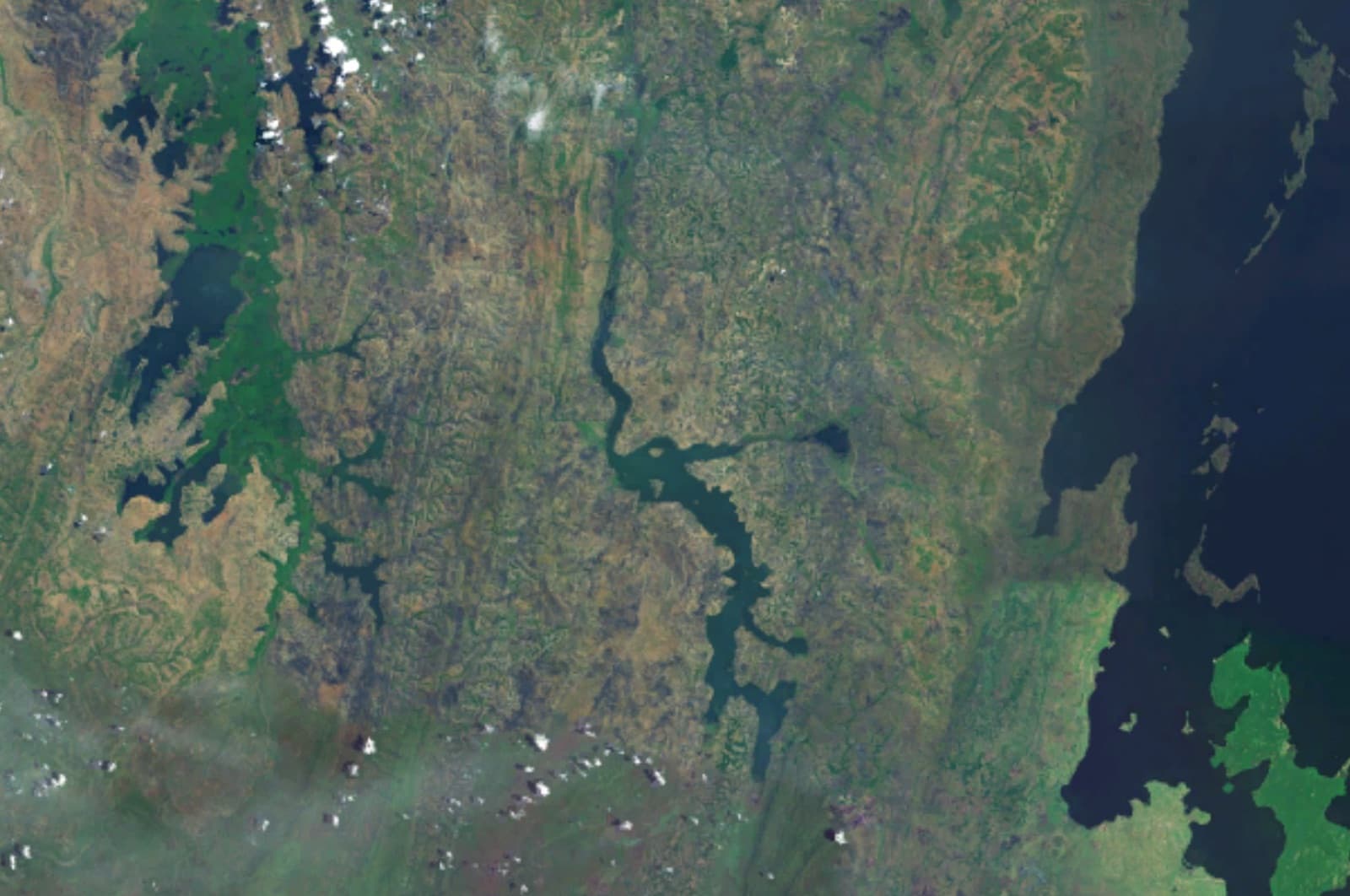
Burigi-Chato National Park is Tanzania's newest and least-visited major wildlife area — a 4,707 km² wilderness in the country's far northwest that most safari-goers have never heard of, let alone visited. Established as a national park in 2019 (consolidated from several former game reserves), Burigi-Chato protects a mosaic of savanna, papyrus swamps, and riverine forest along the shores of Lake Burigi and Chato River system. The park sits within the broader Lake Victoria basin and shares borders with Rwanda and Burundi, creating a rare transboundary wildlife corridor. The star attraction is the shoebill stork — one of Africa's most prehistoric-looking and sought-after birds — which nests in the papyrus swamps of Lake Burigi. But the park also harbours elephant, buffalo, giraffe, sitatunga, hippo, and a rich miombo woodland birdlist. This guide covers how to get there, what to expect, costs, and how to combine with a Rwanda gorilla trek.

Getting Started

Beginner Guide

What is Burigi-Chato National Park?

Burigi-Chato is Tanzania's fourth-largest national park, created in 2019 by merging several existing game reserves — Burigi, Biharamulo, Kimisi, and Ibanda — into a single protected area. The park's name combines two of its key water bodies: Lake Burigi (in the south) and Chato town (the main gateway).

The park occupies a significant ecological position in northwest Tanzania, forming part of the Albertine Rift ecosystem that runs from Uganda and Rwanda south through Tanzania to the DR Congo border. This corridor allows wildlife to move between Tanzania's northwest parks and the Ugandan protected areas to the north.

The landscape varies dramatically: the south contains papyrus-edged Lake Burigi and its seasonal swamps; the centre and north are dominated by miombo woodland and savanna broken by rocky hills; the east borders the Lake Victoria shoreline.

Why visit Burigi-Chato? The shoebill stork

The shoebill (Balaeniceps rex) is one of Africa's most remarkable birds — a massive, grey, prehistoric-looking stork with a 30 cm wide boat-shaped bill that it uses to catch lungfish, young crocodiles, and large amphibians in papyrus swamps. It stands 1.2 metres tall, has a 2.3-metre wingspan, and has been described as looking like a living dinosaur.

Shoebills are rare, restricted to specific papyrus swamps in central Africa, and notoriously difficult to find. The papyrus wetlands of Lake Burigi are one of the most reliable shoebill locations in East Africa. A local guide with a small boat can often locate birds within a 2–4 hour trip.

Beyond the shoebill, the lake and papyrus system support sitatunga antelope (the only antelope that lives in swamps), African fish eagle, grey crowned crane, and numerous papyrus-endemic species.

How to get to Burigi-Chato National Park

From Mwanza (main approach):

  • Fly or ferry to Mwanza from Dar or Arusha
  • From Mwanza, drive or take a bus to Chato town (~2.5–3 hours on mostly tarmac)
  • Chato is the park's eastern gateway and has the best tourism infrastructure
  • Mwanza has daily flights from Dar es Salaam (1 hour)

From Bukoba (western approach):

  • Fly to Bukoba from Dar or Mwanza, then drive ~80 km to the western park boundary (1.5 hours)
  • Bukoba has regular flights from Dar es Salaam

Self-drive notes: A 4WD is essential inside the park — roads are unpaved and become very difficult in wet season. Between Chato and the park entrance, the road is tarmac. Inside the park, expect corrugated dirt tracks that can be deeply rutted from June onwards.

Best time to visit Burigi-Chato

June–October (dry season): Best for game drives and shoebill boat trips. Wildlife concentrates around remaining water sources. Roads are navigable. The shoebill is active and visible year-round but dry season boat conditions are calmer.

November–January (short rains): Green and beautiful. Shoebill and waterbirds are excellent — breeding season activity in the papyrus swamps. Roads still manageable in November; can degrade by January.

February–March: Dry and hot. Good game viewing as vegetation thins.

April–May (long rains): Roads may become impassable. Not recommended for first visits.

Wildlife beyond the shoebill

Mammals: African elephant, buffalo, giraffe (notably Rothschild's giraffe), sitatunga, impala, waterbuck, reedbuck, hippo, crocodile, and — reportedly but rarely seen — leopard and lion.

Birds (400+ species): The park's combination of papyrus swamp, savanna, and miombo woodland creates exceptional bird diversity. Key species beyond the shoebill include: African fish eagle, papyrus gonolek, white-winged warbler, Carruthers's cisticola, grey crowned crane, saddle-billed stork, and multiple kingfisher species.

The shoebill boat safari: The best way to experience Lake Burigi is by small wooden boat with a local guide. Early mornings (6:00–9:00) are best for shoebill activity. Bring binoculars with at least 8x magnification and a long lens if you have one.

Budget Planning

Costs

How much does Burigi-Chato National Park cost in 2025/2026?

Burigi-Chato is significantly cheaper than Tanzania's northern circuit parks. Infrastructure is still developing.

Park fees (TANAPA 2025/2026):

  • Entry: $30/person/day
  • Vehicle fee: $40/vehicle/day
  • Boat safari (Lake Burigi): $30–50/person (arranged through TANAPA or operator)
  • Camping: $30/person/night (public campsite)

Accommodation:

  • Camping inside the park: $30/person/night (bring own tent and equipment)
  • Guesthouses in Chato town: TZS 30,000–60,000/night ($12–$24)
  • Best option (Mwanza base): mid-range hotels from $60–$120/night, then day trip to park

Getting there:

  • Flights to Mwanza from Dar: $80–$150 one way
  • Mwanza to Chato by shared taxi or bus: TZS 15,000–25,000 ($6–$10)
  • Private vehicle hire Mwanza-Chato-park round trip: TZS 200,000–350,000 ($80–$140)

Total per-person cost estimate

StylePer day3-day trip
Budget (camping)$80–120$240–360
Mid-range (Chato guesthouse + safari)$150–250$450–750

What is usually extra

  • Shoebill boat trip: $30–50/person (sometimes separate from park entry)
  • Specialist birding guide: $30–50/day above standard guide fee
  • Mwanza accommodation during transit
  • Fuel surcharges for remote park areas

Travel Advice

Travel Tips

Practical tips for Burigi-Chato National Park

  • Book an operator in advance. Burigi-Chato has minimal walk-in tourism infrastructure. Contact a northwest Tanzania specialist (several Mwanza-based operators cover the park) at least 2–4 weeks before travelling.
  • The shoebill is not guaranteed. While Lake Burigi is one of the best shoebill sites in East Africa, finding the bird requires patience, a good local guide, and reasonable conditions. Allow at least two morning boat trips for a realistic chance.
  • Binoculars are essential. Even on game drives, binoculars significantly improve your experience — particularly in the open savanna sections and for the extensive waterbird list around the lake.
  • Arrive with all supplies. Chato town has basic shops but no well-stocked supermarkets. Bring food, water (or water treatment), fuel (if self-driving), and any medications from Mwanza or Bukoba.
  • Combine with Rwanda. Burigi-Chato's northwest location makes it a natural pairing with Volcanoes National Park in Rwanda (gorilla trekking, ~4 hours from the park). This combination gives one of East Africa's most distinctive itineraries: savanna birds + mountain gorillas.
  • Malaria prophylaxis required. Northwest Tanzania is malaria-endemic. Begin anti-malarial medication before arrival per your doctor's advice.
  • 4WD is non-negotiable inside the park. The internal tracks can be deeply rutted. Do not attempt without a high-clearance 4WD.

Frequently asked questions about Burigi-Chato

Is Burigi-Chato good for seeing the shoebill stork? Yes — it's one of East Africa's most reliable shoebill locations. The papyrus swamps of Lake Burigi provide ideal shoebill habitat and the birds are resident year-round. Early morning boat trips (6:00–9:00) with a local guide give the best results. Success is not guaranteed on any single trip, but across two morning attempts the chances are high.

What wildlife can I see in Burigi-Chato? Elephant, buffalo, giraffe (Rothschild's), sitatunga, hippo, crocodile, waterbuck, impala, and a rich bird list of 400+ species. The park is still being surveyed — recent inventories have added new species records. Lion and leopard are present but rarely encountered in this early stage of tourism development.

How do I get to Burigi-Chato from Mwanza? Drive or take a bus from Mwanza to Chato town (~2.5–3 hours). From Chato, the park entrance is accessible with a 4WD. The most straightforward approach is to hire a vehicle and guide from Mwanza for a 2–3 day trip. Several Mwanza-based tour operators offer packages.

How new is Burigi-Chato National Park? It was formally gazetted as a national park in 2019, consolidated from several former game reserves. Tourism infrastructure is still being developed — there are no permanent lodges inside the park yet (as of 2025), and visitor facilities are basic. This is part of its appeal for adventurous travellers.

Can I combine Burigi-Chato with gorilla trekking in Rwanda? Yes. The park is in Tanzania's far northwest, approximately 4 hours from Volcanoes National Park in Rwanda (border crossing at Rusumo). This combination provides a remarkable itinerary contrast: African savanna birdwatching and lake boat safaris, followed by high-altitude mountain gorilla trekking. Allow 5–7 days for both.

Is Burigi-Chato safe to visit? Yes. The park area is stable and safe for tourism. Standard African wilderness precautions apply — do not leave your vehicle in the presence of dangerous wildlife, and travel with an experienced operator. The nearest towns (Chato, Mwanza, Bukoba) are safe and have standard facilities.

Ready to book?

Browse verified Tanzania operators running trips to Burigi-Chato National Park.

Browse operators →