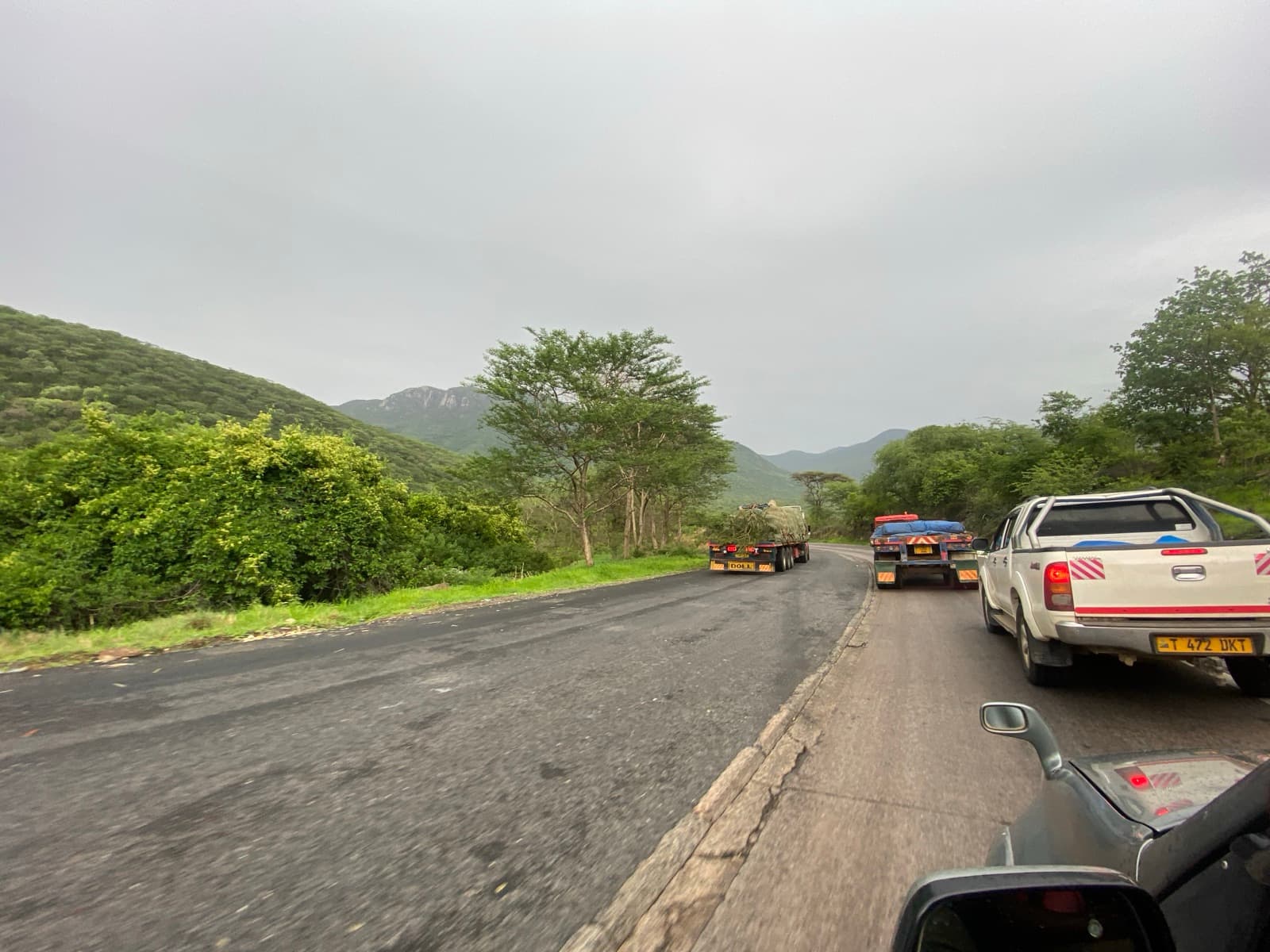
Iringa travel guide — Tanzania safari tips
Travel guideIringa·

Iringa Tanzania Travel Guide 2025/2026: Isimila, Ruaha & the Highland Highlands

Read in Swahili
SE

By Safarani editorial team

Last fact-checked 29 April 2026

Iringa is Tanzania's best-kept highland secret — a cool, green market town perched at 1,600 metres in the Southern Highlands, surrounded by some of East Africa's most spectacular gorge scenery. Few travellers stop here, which is their loss. Iringa sits at the gateway to Ruaha National Park (Tanzania's largest), contains the Isimila Stone Age site (one of Africa's most significant prehistoric finds), and offers a window into Hehe culture — the people who fiercely resisted German colonialism under Chief Mkwawa in the 1890s. The town itself is refreshingly cool compared to the coast, with excellent local food markets and a laid-back highland atmosphere. This guide covers Isimila, the Ruaha gateway route, Hehe history, accommodation costs, and everything you need to plan a stop in Iringa.

Getting Started

Beginner Guide

What is Iringa famous for?

Three things set Iringa apart: the Isimila Stone Age archaeological site (a UNESCO-listed gorge containing 60,000+ year-old hand axes and fossilised megafauna); its role as the gateway to Ruaha National Park; and its connection to Chief Mkwawa of the Hehe people, who fought a legendary guerrilla war against German colonial forces.

Iringa is also notable for its pleasant highland climate. At 1,635 metres, temperatures rarely exceed 25°C and often drop to 10–12°C at night in June–August — a welcome contrast to Tanzania's coastal heat.

How to get to Iringa from Dar es Salaam or Dodoma

By bus from Dar es Salaam: Multiple operators (Scandinavian Express, Dar Express) run daily departures from Dar's Ubungo Bus Terminal. The journey takes 6–7 hours on the TANZAM Highway and costs TZS 20,000–30,000 ($8–$12). Book seats the day before in peak season.

By bus from Dodoma: 3–4 hours by direct bus, costing TZS 12,000–18,000.

By air: No commercial airport at Iringa. The nearest airstrip handles charter flights. Most visitors fly to Dar and take the bus, or combine with a Ruaha safari by flying directly into Msembe (Ruaha's main airstrip).

Self-drive: Iringa is on the TANZAM Highway, well-maintained tarmac road connecting Dar to Zambia. GPS navigation works well throughout.

Best time to visit Iringa — seasonal guide

June–October (dry season): Best time. Roads are good, the Isimila gorge is walkable, and the approach to Ruaha is easy. Temperatures are cool (12–22°C daily).

November–December (short rains): Light showers, lush green scenery. Still very accessible — most years the rains are brief and afternoon-only.

January–March: Hot dry spell. Good for Isimila visits. Ruaha game viewing begins to improve as water sources dry up and wildlife concentrates.

April–May (long rains): Heaviest rainfall. The Isimila gorge path can be muddy. Ruaha road may become difficult. Budget prices drop 25–30%.

Isimila Stone Age site — what to expect

Isimila (21km west of Iringa town) is one of Africa's great prehistoric sites. During a 1957 excavation, archaeologists found thousands of Acheulean stone tools — hand axes, cleavers, and scrapers — scattered across a dry lake bed alongside fossilised remains of now-extinct megafauna: giant hippos, long-horned buffalo, and oversized baboons.

The site looks like a mini-Bryce Canyon — eroded sandstone pillars rising from a gorge floor, some 7–10 metres tall, carved by an ancient river that has long since dried up. Walking the floor of the gorge among the pillars while imagining Stone Age humans butchering extinct animals here is genuinely spectacular.

Visiting: Open daily 8:00–17:00. Entry fee $5 (payable in TZS). A small museum on-site displays stone tools and fossils. Guided walks through the gorge take 45–90 minutes. Hire a local guide ($5–10) — they know where the best tool concentrations are and the gorge paths aren't always obvious.

Chief Mkwawa and Hehe history in Iringa

The Iringa area is the homeland of the Hehe people, whose paramount chief Mkwawa led one of sub-Saharan Africa's most effective anti-colonial resistances. In 1891, Mkwawa's forces ambushed a column of 350 German soldiers at Lugalo, killing the commander and most of the force — one of the greatest military defeats inflicted on European colonial armies in Africa.

The Germans eventually overran Mkwawa's stronghold (Kalenga, 15km from Iringa town) in 1894, but Mkwawa escaped and continued guerrilla warfare for four years before taking his own life to avoid capture in 1898.

The Mkwawa Museum at Kalenga holds his skull (returned by Germany in 1954 after the Treaty of Versailles specifically demanded it) and artifacts from the resistance. Entry is free; donations appreciated. It's a 20-minute taxi ride from Iringa town.

Nearby attractions around Iringa

Ruaha National Park: Tanzania's largest park, 112km northwest of Iringa. A day trip is possible but 2+ nights are much better for wildlife. See the Ruaha guide for full details.

Neema Crafts: A social enterprise workshop in Iringa town run by and for people with disabilities. Excellent handmade crafts, cards, and a small café. Worth a visit to support and browse.

Iringa Boma: The German colonial administrative building still stands in central Iringa — an interesting example of colonial-era architecture now used as a museum.

Gangilonga Rock: A large rock formation with panoramic views over the highlands, 2km from the town centre. A short hike gives views to the Iringa plateau and Great Ruaha River valley below.

Budget Planning

Costs

How much does a trip to Iringa cost in 2025/2026?

Iringa is one of Tanzania's most affordable destinations. Prices are far lower than the northern circuit.

Accommodation:

  • Budget guesthouses: TZS 25,000–50,000 ($10–$20/night)
  • Mid-range hotels: TZS 80,000–150,000 ($32–$60/night)
  • Best hotel in town (Isimila Safari Lodge area): $80–$130/night

Food:

  • Local restaurant meal: TZS 5,000–10,000 ($2–$4)
  • Mid-range restaurant: TZS 15,000–30,000 ($6–$12)
  • Supermarkets available for self-catering

Transport:

  • Dar es Salaam to Iringa bus: $8–12
  • Iringa to Isimila (taxi, round trip): TZS 20,000–35,000 ($8–$14)
  • Iringa to Kalenga museum (taxi): TZS 15,000–25,000

Activities:

  • Isimila entrance fee: $5 (TZS ~12,500)
  • Isimila local guide: TZS 10,000–20,000
  • Mkwawa Museum Kalenga: free (donation)

Budget day-by-day breakdown

A 2-day Iringa stopover costs approximately:

  • Budget traveller: $40–$60 total ($20/night accommodation + $10 food + $15 activities + $10 local transport)
  • Mid-range: $80–$130 total ($60/night hotel + $25 food + $20 activities + $15 transport)

Combining Iringa with a Ruaha safari adds $300–$600/person/night depending on the camp tier.

Travel Advice

Travel Tips

Practical tips for Iringa

  • Arrive by midday. Buses from Dar sometimes run late. Arriving with daylight allows you to get oriented and arrange a Isimila taxi for the next morning.
  • Visit Isimila early. The gorge gets hot by midday. An 8:00–10:30 visit is ideal before the sun is directly overhead.
  • Hire the site guide at Isimila. The signage is minimal and the best tool-scatter locations are unmarked. The on-site guides are knowledgeable and charge very reasonably.
  • Eat at the central market. Iringa's central market has excellent local food — grilled meat (nyama choma), ugali, and fresh highland vegetables. Far better value than tourist restaurants.
  • Bring a jacket. June–August nights drop to 10–12°C. Even in warmer months, evenings at 1,600m require a layer.
  • ATM reliability. There are ATMs in Iringa town but they occasionally run out of cash on weekends. Bring TZS from Dar if possible.
  • Ruaha day trips are marginal. The 112km road to Ruaha takes 2–3 hours depending on conditions. A day trip means roughly 2–3 hours in the park. Spend at least one night in Ruaha to do it justice.

Frequently asked questions about Iringa

What is Isimila Stone Age site and why is it important? Isimila is one of Africa's most significant prehistoric archaeological sites. Excavations found Acheulean stone tools and fossils of extinct megafauna dating to 60,000–100,000 years ago. The site is particularly notable for the density of well-preserved tools (thousands in a small area) and the dramatic gorge landscape in which they sit.

How far is Iringa from Ruaha National Park? Iringa is 112km from Ruaha's Msembe Gate — approximately 2–3 hours by road depending on conditions. The road is tarmac to Tungamalenga, then a rougher track into the park. Many Ruaha operators offer transfers from Iringa.

Is Iringa worth a stop on the way to Ruaha? Absolutely. Isimila alone justifies a night in Iringa. Add the Mkwawa Museum and the excellent market food and Iringa is a highlight of the Southern Circuit, not just a transit stop.

What is the best time to visit Iringa? June–October (dry season) is ideal — clear skies, cool temperatures, and easy road conditions for onward travel to Ruaha. January–March is also excellent for Isimila visits with minimal rain.

Is Iringa safe for tourists? Yes. Iringa is considered one of Tanzania's safer towns for independent travel. Petty theft can occur in crowded market areas (as anywhere) — keep valuables secure and be aware at busy times.

How long do I need in Iringa? One full day covers Isimila and the Mkwawa Museum comfortably. If adding Ruaha, base yourself in Iringa 1–2 nights before transferring to a Ruaha camp.

Ready to book?

Browse verified Tanzania operators running trips to Iringa.

Browse operators →