Nyerere National Park travel guide — Tanzania safari tips
Travel guideNyerere National Park·

Nyerere National Park 2025/2026: Boat Safaris, Walking & Wild Dogs on the Rufiji

Read in Swahili
SE

By Safarani editorial team

Last fact-checked 29 April 2026

Nyerere National Park — renamed from the Selous Game Reserve in 2019 in honour of Tanzania's founding president Julius Nyerere — is Africa's largest national park at over 30,000 km² in its photographic sector alone. It sits in southern Tanzania, 4 hours from Dar es Salaam by road or 45 minutes by charter plane, and offers something genuinely rare: three different safari activities — game drives, boat safaris, and walking safaris — in a single destination. The Rufiji River, Tanzania's longest and most voluminous river, flows through the heart of the park. An estimated 2,500+ hippos and enormous Nile crocodiles inhabit the river system. Drifting silently in a small boat past a pod of 80 hippos — so close you can hear them exhale — is the activity that most visitors cite as their Tanzania highlight. This guide explains why the park was renamed, what each activity involves, how to reach the park from Dar es Salaam, and what a Nyerere safari costs.

Getting Started

Beginner Guide

Why was Selous renamed Nyerere National Park?

The Selous Game Reserve was named after Frederick Courteney Selous, a British hunter and explorer who died fighting in the reserve in 1917 during World War I. In 2019, the Tanzanian government renamed the photographic tourism sector Nyerere National Park, honouring Julius Nyerere (1922–1999), Tanzania's first president and the architect of the country's independence and national identity.

The hunting concession sector of the former Selous (the southern half) retains the Selous Game Reserve name. The distinction matters practically: all photographic safari camps are in or adjacent to Nyerere National Park. When you book a "Selous safari," your operator should clarify whether they operate in the national park (Nyerere NP) or the hunting concession.

What safari activities are available at Nyerere National Park?

Boat safaris on the Rufiji River (the highlight) Nyerere is famous for its boat safaris. Small motorboats drift silently between hippo pods, past sunbathing crocodiles of extraordinary size, and through channels lined with palm and raffia. Bird watching from the water — open-billed stork, fish eagle, malachite kingfisher, goliath heron — is outstanding. Most camps offer morning and late afternoon boat safaris.

Walking safaris Unlike most TANAPA parks in the north, walking safaris are permitted in Nyerere. Armed, experienced guides lead guests through the bush — tracking elephant spoor, identifying predator kills, and experiencing the landscape at ground level. Genuinely different from any vehicle game drive.

Game drives Standard vehicle game drives in open-sided Land Cruisers. The Rufiji floodplain concentrates wildlife during the dry season. Lion, elephant, wild dog, and all resident species are accessible by vehicle.

Fly-camping Several operators offer nights in remote fly-camps — simple sleeping arrangements in the deep bush, far from any lodge. The immersive wilderness experience these provide is unavailable in any northern circuit park.

How do I get to Nyerere National Park from Dar es Salaam?

By charter flight (recommended) Dar es Salaam to park airstrips (Mtemere, Beho Beho, Siwandu): 45–60 minutes. Multiple operators fly this route daily. Cost: $200–300/person one way. This is the most efficient option.

By road 240 km from Dar to the Mtemere gate — approximately 4 hours on the TANZAM highway and then a rough track. Possible in dry season with a 4WD; not recommended in wet season. Used primarily by budget travellers.

Best time to visit Nyerere National Park

June–October (dry season) — recommended Peak wildlife season. The Rufiji drops, concentrating wildlife on the banks. Hippo and crocodile sightings are exceptional. Walking safari conditions are at their best. Wild dog denning (June–July) is the optimal period for pack sightings with pups.

January–February (short dry season) Good game viewing, fewer visitors, lower prices.

April–May — most camps close Long rains. Road access compromised. Most photographic camps are closed for the season.

What wildlife is in Nyerere National Park?

Hippos: 2,500+ in the Rufiji system. The river boat safari produces the most intimate hippo encounters in Tanzania.

Nile crocodiles: Very large individuals (5m+) bask on Rufiji banks. The croc density here is exceptional.

African wild dogs: One of Africa's largest wild dog populations — Nyerere/Selous estimates suggest 1,000+ individuals across the ecosystem. The June–July denning season with pups is the best viewing time.

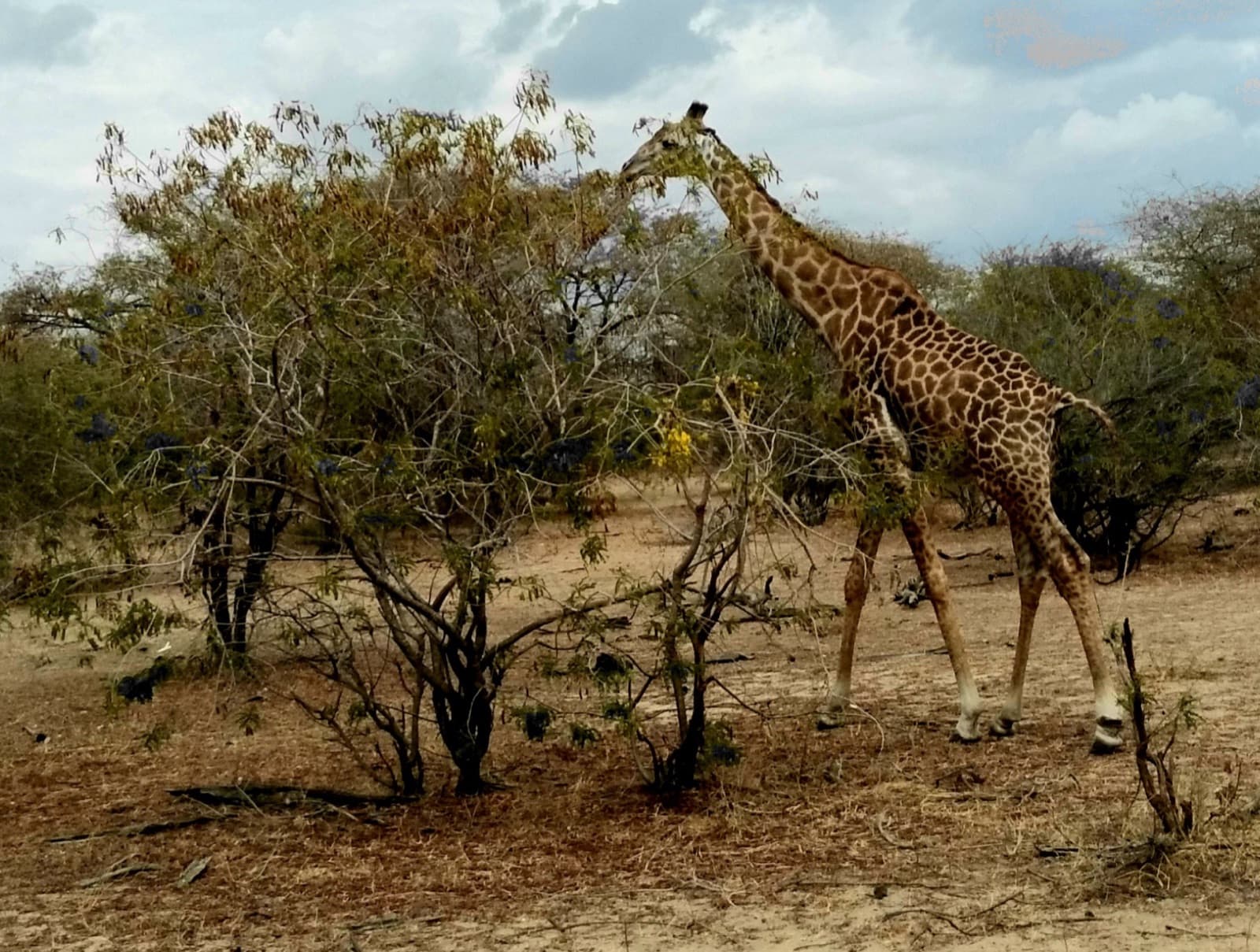
Lions, elephants, buffalo, giraffe, zebra, impala: All present in good numbers.

Birds (440+ species): Among the best birding in southern Tanzania. Palm-nut vulture, Bohm's bee-eater, and the African skimmer on the Rufiji are highlights.

Budget Planning

Costs

How much does Nyerere National Park cost in 2025/2026?

Park fees (TANAPA 2026)

  • Entry: $50/person/day (high season), $40/person/day (low season)
  • Boat safari fee: additional per trip ($30–50/boat)

Accommodation

  • Beho Beho (luxury): $700–1,100/person/night all-inclusive
  • Siwandu (luxury): $700–1,200/person/night all-inclusive
  • Sand Rivers (ultra-luxury): $900–1,500/person/night
  • Budget camping: $50–80/person/night (public campsites, basic)

Most luxury camps are fully all-inclusive — meals, game drives, boat safari, walking safari, park fees.

Charter flight from Dar $300–500/person return.

4-night trip estimate (mid-luxury camp, 2 people, including charter from Dar) Flights ($400) + camp ($800/person/night × 4 = $3,200): approximately $3,600/person.

Combine with Zanzibar: Nyerere → charter flight back to Dar → Zanzibar ferry or flight is one of Tanzania's most popular bush-and-beach itineraries, achievable in 8–10 days total.

Travel Advice

Travel Tips

Practical tips for Nyerere National Park

Do a boat safari and a walking safari. Both activities distinguish Nyerere from every northern circuit park. Guests who come for game drives alone miss what makes Nyerere special.

Wild dog tracking is possible but needs advance confirmation. Not all camps operate active wild dog tracking. If seeing wild dogs is a priority, ask your operator specifically whether the camp tracks the local pack and whether dens have been located for the season.

The Rufiji is best at low water. The boat safari experience is most dramatic when the Rufiji is low (August–October) and wildlife concentrates on the exposed banks. Early dry season (June–July) the river is still relatively high.

Frequently asked questions about Nyerere National Park

Why was Selous renamed Nyerere National Park? In 2019, the photographic safari sector of the former Selous Game Reserve was gazetted as Nyerere National Park and renamed in honour of Julius Nyerere, Tanzania's founding president. The southern hunting concession sector still uses the Selous Game Reserve name.

What activities are available at Nyerere National Park? Nyerere offers game drives, Rufiji River boat safaris, walking safaris (led by armed professional guides), and fly-camping. This combination of activities — impossible in northern circuit TANAPA parks — is the park's primary differentiation from the Serengeti and Ngorongoro.

How far is Nyerere from Dar es Salaam? 240 km by road (4 hours) or 45–60 minutes by charter flight. One of Tanzania's most accessible remote safari destinations from Dar.

What is the best time to visit Nyerere? June to October (dry season) for boat safaris, walking, and wildlife concentration. Wild dog denning June–July is a particular highlight. Most camps close April–May.

Can you do walking safaris at Nyerere? Yes — Nyerere is one of Tanzania's few national parks where armed, guided walking safaris are a regular, structured activity. Walking in an area with lion, elephant, and buffalo alongside an experienced armed guide is a genuinely different experience from vehicle game drives.

Browse verified Nyerere operators on Safarani.

Ready to book?

Browse verified Tanzania operators running trips to Nyerere National Park.

Browse operators →