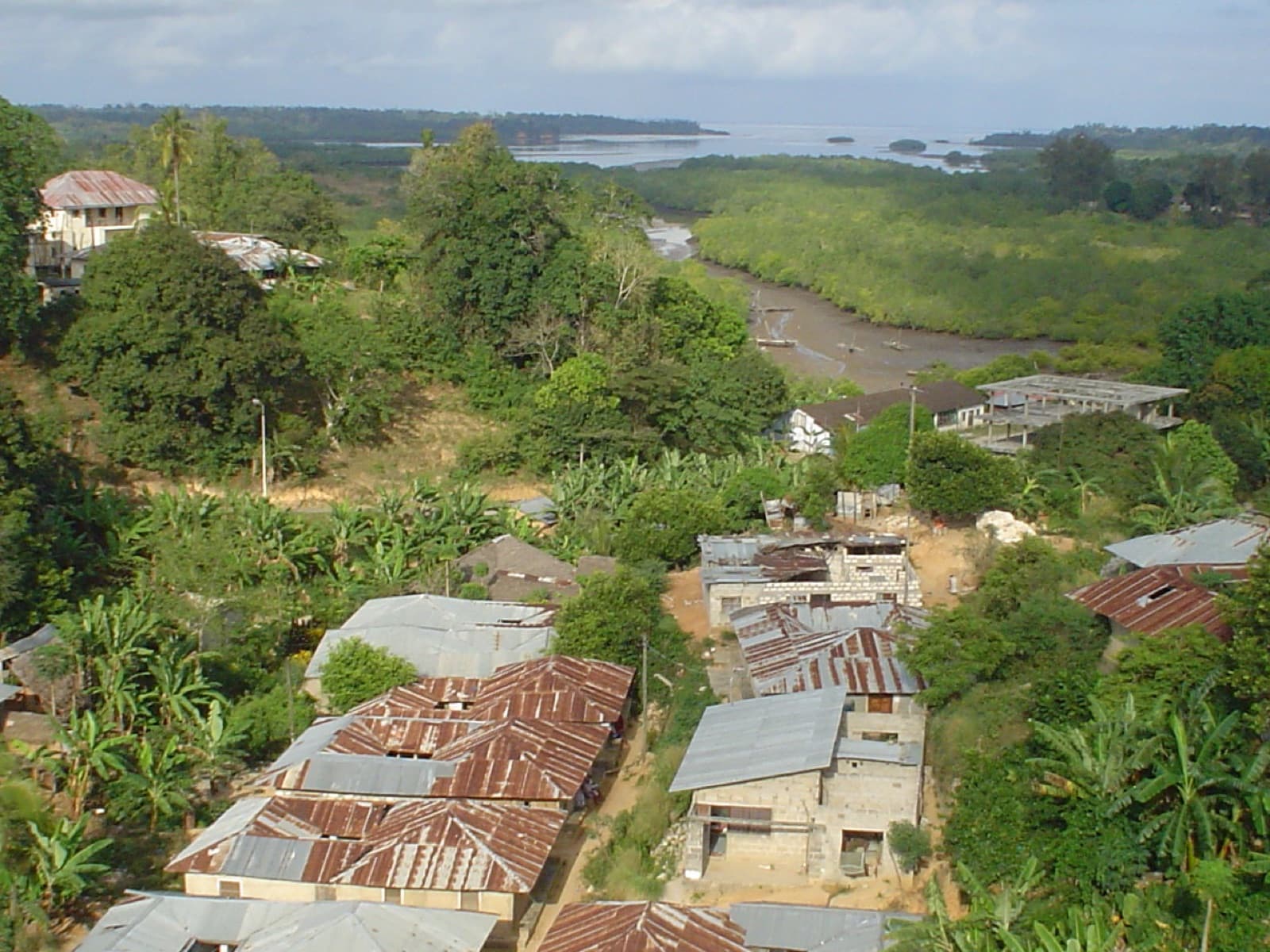
Pemba Island travel guide — Tanzania safari tips
Travel guidePemba Island·

Pemba Island Diving Guide 2025/2026: Walls, Wrecks & When to Go

Read in Swahili
SE

By Safarani editorial team

Last fact-checked 29 April 2026

Pemba Island is Tanzania's premier diving destination — a steep-walled underwater island surrounded by some of the Indian Ocean's most pristine coral reefs, with visibility routinely exceeding 30 metres. Unlike Zanzibar, Pemba has no mass tourism. The island receives fewer than 5,000 visitors per year, keeping its reefs in exceptional condition. The Pemba Channel — a deep ocean trench running between the island and the mainland — generates powerful upwellings that feed enormous schools of barracuda, trevally, and Napoleon wrasse, plus regular sightings of whale sharks, manta rays, and dolphins. This guide covers the best Pemba Island dive sites, when to go, live-aboard versus resort options, current costs, and how to get there from Zanzibar or Dar es Salaam.

Getting Started

Beginner Guide

What makes Pemba Island different from Zanzibar for diving

Zanzibar has better infrastructure and beaches. Pemba has better diving — it's that simple. Pemba's reefs are largely untouched because the island is harder to reach and sees a fraction of Zanzibar's visitors. The walls here drop to 600–800 metres, creating dramatic drift dives along sheer coral faces festooned with sea fans, black coral trees, and enormous barrel sponges.

The Pemba Channel between the island and the Tanzania mainland is one of the deepest stretches of water off East Africa. The temperature differential between deep cold water and surface warmth creates upwellings that bring nutrients — and everything that feeds on them — within diving range.

How to get to Pemba Island from Zanzibar or Dar es Salaam

By air from Zanzibar: Auric Air and Coastal Aviation operate scheduled flights from Zanzibar (ZNZ) to Pemba (PMA) — the flight takes 25–30 minutes and costs $80–$150 one way. Book at least a week ahead in high season.

By air from Dar es Salaam: Direct flights to Pemba take 45 minutes. Expect to pay $120–$200 one way. Coastal Aviation typically has 1–2 daily departures.

By ferry from Zanzibar: Azam Marine operates a high-speed ferry (Zanzibar–Wete, Pemba) taking 3.5–4.5 hours. Tickets cost $35–$50. The Pemba Channel crossing can be rough — take seasickness tablets.

There are no roads connecting Pemba to any other island; ferry or plane are your only options.

Best time to dive Pemba Island — month by month

October–March (dry, NE monsoon): Peak diving season. Visibility 25–40m. Water temperature 27–29°C. Calm seas, easy conditions. December and January are the absolute best months — flat water, exceptional clarity.

April–May (long rains): Visibility drops to 10–20m. Some dive sites become inaccessible due to swell. Budget travellers come now for 30–40% lower rates.

June–September (dry, SE monsoon): Good diving resumes by mid-June. The SE monsoon creates stronger currents on the southern reefs but these same currents bring pelagic species — the best time for schooling fish action. Visibility 20–35m.

November: Whale shark season peaks. Pemba Channel sightings are reliable from October through January.

Best Pemba Island dive sites

Manta Point (Ras Mkumbi): The northern tip of the island where the Pemba Channel current hits the reef. Manta rays and eagle rays patrol the wall year-round. The wall itself drops from 8m to beyond recreational limits and is covered in pristine soft coral.

The Boiler: A sea mount rising from 35m to 18m below the surface. Schooling barracuda, giant trevally, and occasional hammerhead sharks make this Pemba's most exciting advanced dive.

Njao Gap: A narrow channel between two reef systems that acts as a funnel for fish. The current here creates an extraordinary fish soup — thousands of snapper, grouper, and fusiliers.

Mesali Island: Protected marine reserve with excellent snorkelling and beginner diving. Coral gardens in 5–15m with sea turtles, moray eels, and lionfish.

Uvinje Gap: A coral canyon system best dived on an incoming tide. Night dives here are exceptional — octopus, cuttlefish, and sleeping parrotfish in every crevice.

Snorkelling in Pemba Island

Mesali Island Marine Reserve (a 20-minute boat ride from the main island) has the best snorkelling — house reef depth is 2–8m with excellent coral coverage and turtle sightings on nearly every visit. Ask your lodge about stand-up paddleboard snorkel tours, which are offered by a few operators.

Budget Planning

Costs

How much does Pemba Island diving cost in 2025/2026?

Single dive: $35–$55 per dive including equipment and guide Two-tank dive package: $80–$120 per day PADI Open Water course: $400–$550 (3–4 days) PADI Divemaster: $900–$1,200 (requires existing certification)

Accommodation:

  • Budget guesthouses: $30–$60 per night (Wete town, basic fan rooms)
  • Mid-range dive lodges: $120–$250 per night (en suite, meals included)
  • Luxury eco-lodges: $350–$600 per night (full board + 2 dives/day)

All-inclusive dive packages: Most dive lodges bundle accommodation + 2 dives/day + meals. A 7-day, 2-person package at a mid-range lodge runs $1,800–$2,800 total.

Live-aboard boats: Occasional live-aboard expeditions visit Pemba. A 7-night dive safari costs $3,000–$5,000 per person all-inclusive.

What is usually extra

  • Nitrox fills: $8–$15 per tank
  • Equipment rental (if not bringing your own): $15–$25/day
  • Marine park fees: $20–$30/day (usually bundled into dive packages)
  • Flights to Pemba from Zanzibar: $80–$150 per leg
  • Tips for dive guides: $10–$20/day per guide

Budget vs luxury Pemba comparison

BudgetMid-rangeLuxury
Accommodation$30–60/night$150–250/night$400–600/night
Divesà la carte2 dives/day includedUnlimited
MealsSelf-cateredFull boardFull board + premium
7-day per person$600–900$1,400–2,200$3,000–5,000

Travel Advice

Travel Tips

Practical tips for Pemba Island

  • Bring cash. There is one ATM on Pemba (in Chake Chake town) and it is unreliable. Bring enough USD or TZS from Zanzibar or Dar.
  • Book dive packages in advance. Most Pemba lodges are small (6–16 rooms) and sell out in high season (Oct–Mar). Book 2–3 months ahead.
  • Bring all your dive equipment. Equipment rental exists but the selection is limited. Your own regulator and wetsuit guarantee a better experience.
  • Get a multi-entry Tanzania visa. If flying Zanzibar → Pemba and back, some entry points treat Pemba as a separate entry. Check visa status before travel.
  • The ferry is rough. The Pemba Channel crossing is often choppy even in calm season. Take seasickness medication an hour before departure.
  • Respect the current. Several Pemba sites have strong, unpredictable currents. Dive with local guides who know the tides — not alone.
  • Malaria prophylaxis required. Pemba is malaria-endemic. Start anti-malarial medication before arrival per your doctor's advice.

Frequently asked questions about Pemba Island

What's the difference between Pemba Island and Zanzibar? Zanzibar (Unguja) is the main tourism hub — bigger, more developed, with Stone Town and famous beach resorts. Pemba is smaller, far less visited, with significantly better diving due to pristine reefs and deep-water upwellings. If diving is your priority, Pemba is the better choice. For beaches, nightlife, and convenience, Zanzibar wins.

Do I need to be an advanced diver to dive Pemba? No. Sites like Mesali Island are suitable for Open Water certified divers. Several sites (The Boiler, Njao Gap) require Advanced Open Water or experience with drift diving. Confirm your skill level with your dive operator when booking.

Is Pemba Island safe for tourists? Yes. Pemba is one of Tanzania's safest tourist destinations. Crime against tourists is extremely rare. The main safety considerations are the sea crossing (rough water) and diving conditions (currents). Take standard precautions with valuables.

Can I visit Pemba Island as a day trip from Zanzibar? Not practically. The flight is 25 minutes but you still need to allow for transfers and lodging on the island to dive. A minimum of 2 nights is recommended; most divers stay 5–7 days to access multiple sites.

Are there whale sharks at Pemba Island? Yes. Whale shark sightings in the Pemba Channel are most reliable October through January. Sightings are not guaranteed, but dedicated whale shark snorkel trips run from several lodges during peak months.

What is the water temperature around Pemba Island? Sea temperature ranges from 25°C (August–September, coolest) to 29–30°C (December–March). A 3mm wetsuit is sufficient year-round; 5mm is comfortable in the cooler months.

Ready to book?

Browse verified Tanzania operators running trips to Pemba Island.

Browse operators →