
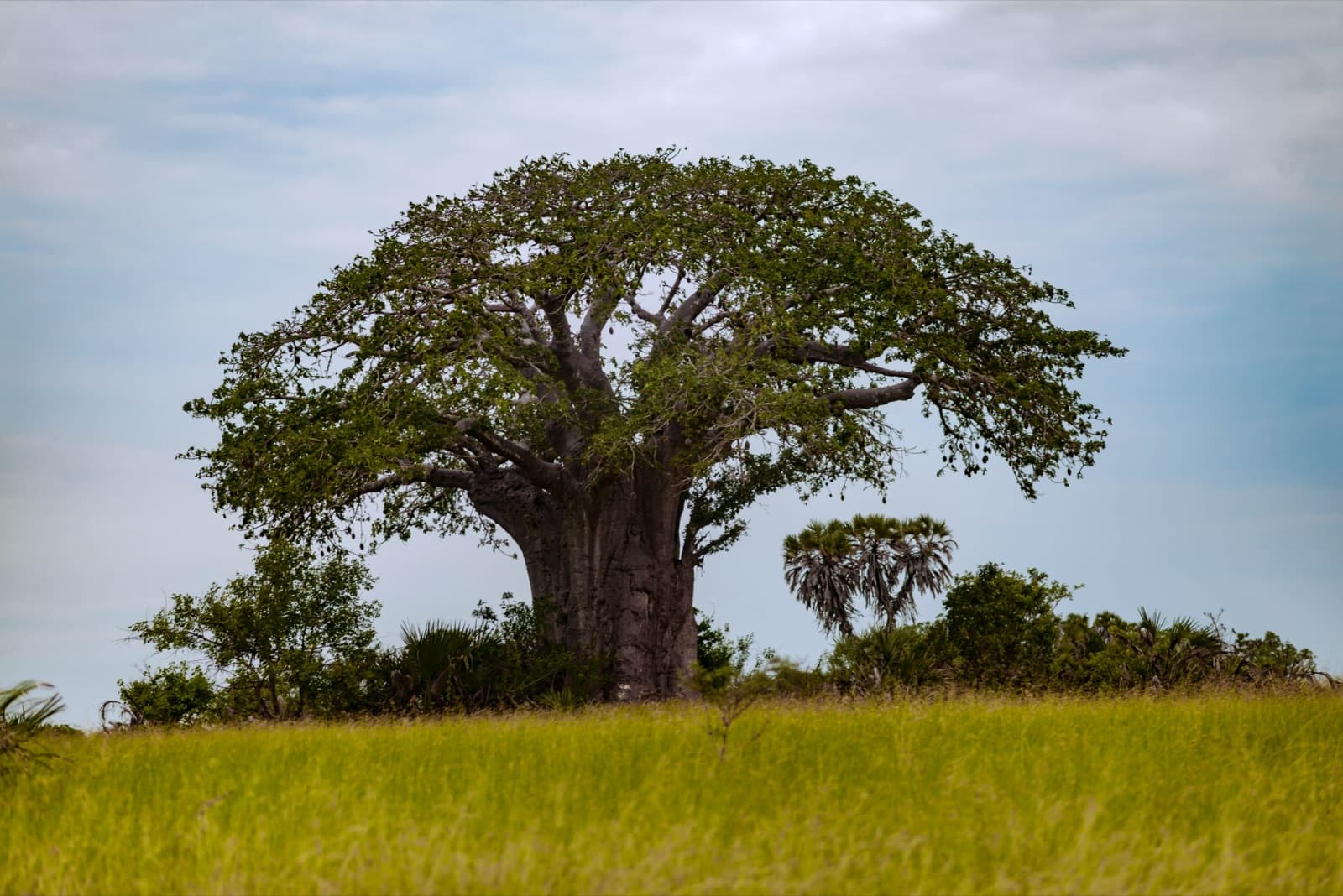
What makes Saadani National Park unique?
Three things distinguish Saadani from every other park in Tanzania:
The coastal setting. Saadani's beach is a national park beach — no hotels, no beach bars, no crowds. Buffalo tracks in the sand. A warthog running across the tide line. The contrast of wild savannah immediately behind an Indian Ocean beach is genuinely surreal.
The Wami River boat safari. The lower Wami River holds some of the highest hippo densities per kilometre of any river in East Africa. Gliding silently within 5 metres of a pod of 30 hippos in a small aluminium boat — with crocodiles on the banks and fish eagles overhead — is a qualitatively different experience from any vehicle game drive.
The sea turtles. Green and loggerhead turtles nest on Saadani's beach between December and March. Night turtle walks with park rangers allow visitors to observe nesting females — a carefully managed experience that doesn't disturb the animals.
Where is Saadani National Park and how do I get there?
Saadani is 120 km north of Dar es Salaam on the Tanzanian coast — north of Bagamoyo and south of Pangani. It sits directly opposite Zanzibar island (visible on clear days from the beach).
By charter flight from Dar 45–60 minutes to the park airstrip. Coastal Aviation and similar operators serve Saadani. Cost: $100–200/person one way. The most convenient option.
By road from Dar 120 km via Bagamoyo — approximately 2.5–3 hours on a road that becomes rough for the last 40 km in wet season. Workable in dry season with a 4WD.
By road from Zanzibar Take the ferry or flight to Dar, then drive or charter to Saadani. Alternatively, charter operators can fly Zanzibar → Saadani directly (45 minutes).
What wildlife can you see in Saadani National Park?
Lions. Saadani has a small resident lion population that occasionally walks along the beach — one of the more unusual wildlife images in East Africa.
Elephants. A recovering elephant population is increasingly visible in the park, particularly in the early morning near the beach edge.
Hippos. The Wami River hippos are the park's most reliably encountered large mammals — boat safaris produce close encounters with pods of 20–40 animals.
Sea turtles. Green and loggerhead turtles nest December–March. The beach section in front of the park lodges is a documented nesting area.
Wami River birds. The river corridor is exceptional for birdwatching: mangrove kingfisher, fish eagle, saddle-billed stork, yellow-billed stork, various herons and egrets. Over 400 species recorded in the park.
Buffalo, giraffe, waterbuck, warthog: All present and commonly seen on game drives through the savannah section.
Can you swim at Saadani National Park beach?
Yes — the Indian Ocean beach at Saadani is swimmable during calm conditions (October–March is best; June–August sees stronger southerly swell). The beach has no permanent undertow problems, but currents vary. Ask lodge staff about daily conditions. The park beach is clean and almost always deserted.
Best time to visit Saadani National Park
June–October (dry season) Best game driving conditions. Wildlife concentrates near water. Ocean conditions vary (southerly wind makes swimming rougher June–August). Best overall combination of wildlife and beach.
October–February Calm ocean, good swimming and snorkelling. Sea turtle nesting season begins December. Good wildlife year-round but slightly less concentrated than dry season.
March–May — avoid Long rains. Road access becomes difficult. Some game tracks impassable. Not recommended.