
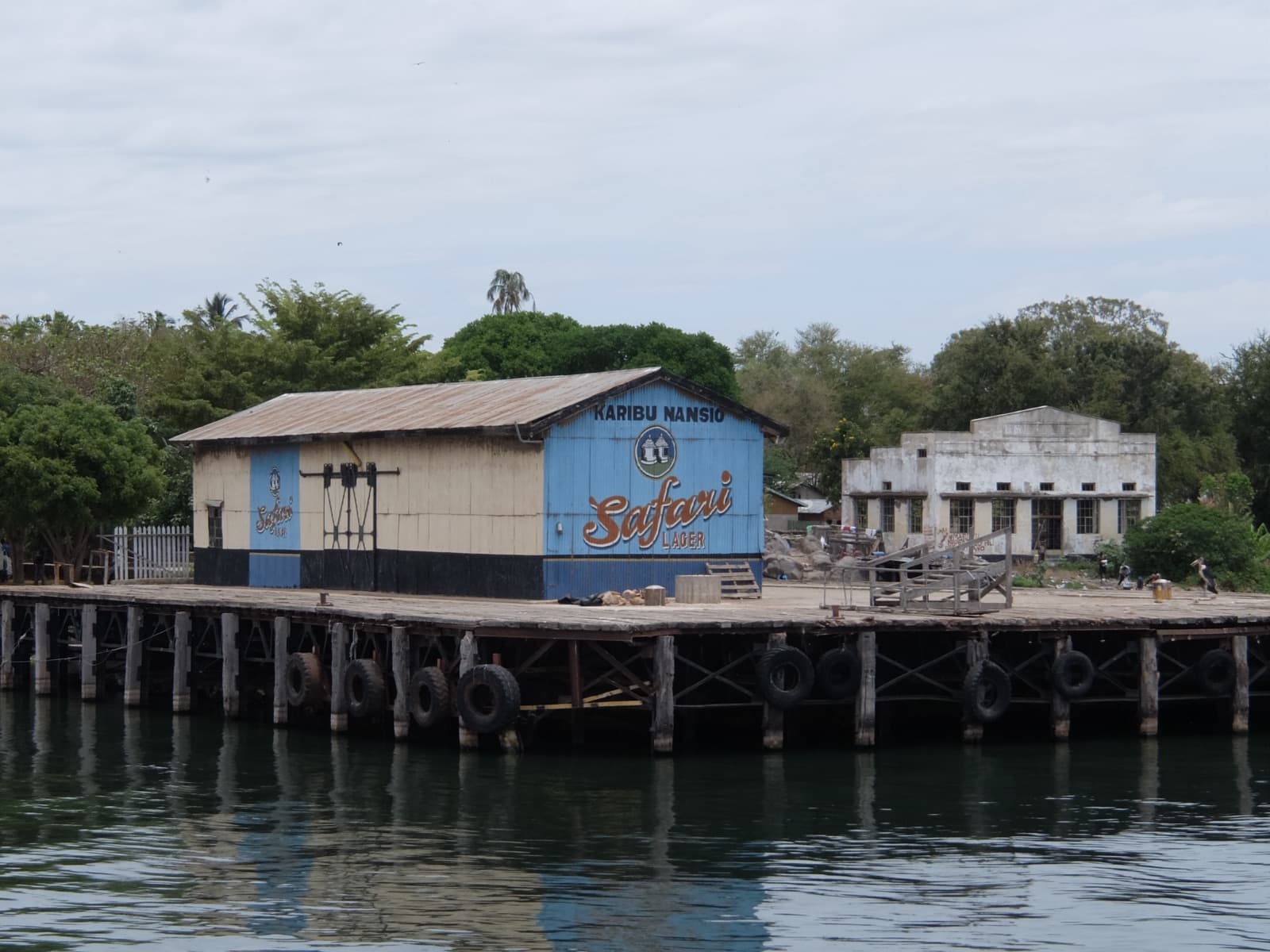
What is there to do on Ukerewe Island?
Ukerewe rewards slow travel. The island has no big-ticket wildlife attraction or UNESCO site — it offers something rarer: a window into contemporary Tanzanian rural life, flat cycling roads through banana and cassava farms, lakeside fishing communities, and a genuine off-the-beaten-track atmosphere.
Cycling: The island's terrain is ideal for cycling — mostly flat to gently rolling, with tarmac roads connecting the main settlement of Nansio to villages around the island's perimeter. A full island loop is approximately 70km. Day rides of 20–40km through village roads are relaxed and sociable. Bicycles are available for hire in Nansio ($5–8/day).
Market days: Nansio's main market operates daily but the largest markets (drawing traders from the mainland) run Tuesday and Saturday. Fresh Lake Victoria tilapia, Nile perch, and local vegetables dominate. The fish market by the lake at dawn is particularly atmospheric.
Lake swimming: Several sheltered bays around the island offer safe lake swimming (the Ukerewe side of Lake Victoria has lower bilharzia risk than some mainland areas — confirm locally before swimming). The water is fresh, warm (26–28°C), and remarkably clear close to shore.
Cultural visits: The Ukerewe Museum (Nansio) covers the island's history, the Kerewe kingdom that once dominated this part of Lake Victoria, and traditional fishing practices. Small but worth an hour.
How to get to Ukerewe Island from Mwanza
By ferry (MV Clarias):
- From Mwanza port (Port Station): Daily departures typically at 10:00 and 14:00 (check current schedule as it changes seasonally)
- Journey: 2–3 hours
- Fare: TZS 4,000–7,000 ($1.50–$3) deck class
- The ferry also carries vehicles — if driving, book vehicle space in advance
From Dar es Salaam: Fly or bus to Mwanza first (4-hour flight direct, TZS 200,000–350,000; or overnight bus 12–14 hours). From Mwanza, take the ferry to Ukerewe.
Return ferry: Ferries return from Nansio (Ukerewe) to Mwanza at equivalent times. The schedule can shift — confirm locally the day before your intended return.
Best time to visit Ukerewe Island
Ukerewe can be visited year-round. Lake Victoria's climate is governed by equatorial patterns rather than the monsoon system:
June–September: Most pleasant — warm (22–28°C), relatively dry, moderate humidity. Best for cycling.
October–November (short rains): Brief afternoon showers, lush landscape. Still very accessible.
December–February: Hot and largely dry. Excellent lake swimming.
March–May (long rains): Heaviest rainfall. Roads can become muddy, particularly off the main tarmac. Some accommodation closes. Budget prices are lower.
Ukerewe's history — the Kerewe Kingdom
Ukerewe Island was the centre of the Kerewe Kingdom — a significant pre-colonial state that controlled trade and fishing on the southern shore of Lake Victoria from approximately the 17th century. The Kerewe people (also known as Bakerewe) developed sophisticated canoe-building techniques and a complex social hierarchy centred on their chief (the Mukama).
European contact came in 1858 when John Hanning Speke became the first European to see Lake Victoria (from Mwanza, on the mainland). The island's history as a distinct political entity was absorbed into German and later British colonial administration in the late 19th and early 20th centuries.
The Ukerewe Museum in Nansio covers this history and displays traditional fishing equipment, canoes, and Kerewe cultural objects.