Where is the Arusha AFCON stadium?
The Samia Suluhu Hassan Stadium is in Olomoti ward on the western side of Arusha, away from the busy Clock Tower centre. It is a new multi-purpose stadium designed for football, rugby and athletics, with a capacity of about 30,000 and a 105 by 68 metre natural grass pitch.
The government is building road links specifically for it: reports describe about 21 km of new tarmac roads connecting the stadium to Arusha city and a 17 km bypass linking Kilimanjaro International Airport (JRO) more directly to the stadium. Those roads matter, because the main Arusha to Moshi road is one of the busiest in northern Tanzania.
Arusha is one of three Tanzanian host cities for AFCON 2027, which runs from 19 June to 17 July 2027. The other two are Dar es Salaam and Zanzibar. Which teams play in Arusha will be decided at the finals draw after qualifying ends in March 2027; see our AFCON 2027 Tanzania guide for the latest.
Is the stadium finished?
Construction started in April 2024. Progress reports rose through 2026: about 70 percent in February, past 80 percent in May with seat installation under way, and around 88 percent later in the year, with completion targets of July and then August 2026. Roofing, the natural turf, lighting and water systems were reported complete by April 2026.
As of late November 2026 we have not seen an official opening or handover announcement, so treat the stadium as nearly finished rather than open. We will update this page when it hosts its first match. Before then, Arusha's older Sheikh Amri Abeid Memorial Stadium in the city centre is the ground most locals mean when they say "Arusha stadium", so be specific with drivers.
How to get to the stadium
From Kilimanjaro International Airport (JRO): JRO is about 50 km east of Arusha. Most visitors use a pre-booked transfer or taxi; the trip normally takes about an hour to the city, longer to the western side. The new bypass, once open, should shorten the run to the stadium. See our guide to flying into JRO for transfers, SIM cards and arrival tips.
From Arusha Airport (ARK): domestic flights from Dar es Salaam, Zanzibar and the Serengeti airstrips use ARK at Kisongo, which is on the same western side of the city as the stadium.
From central Arusha: taxi or Bolt from the Clock Tower area. Expect heavy traffic on matchdays and agree your return ride before kick-off.
Where to stay in Arusha for AFCON
Arusha has a wide range of hotels, lodges and guesthouses, but AFCON lands in peak safari season, when the town is already busy with safari groups. Book early, and think about which side of town you stay on:
- Central Arusha (Clock Tower, Kaloleni, Sekei): the most hotels, restaurants and taxis. The default choice for most fans.
- Njiro and the southern suburbs: quieter guesthouses and mid-range hotels.
- Usa River and Tengeru: garden lodges east of town on the Moshi road, popular with safari travellers, but they are on the opposite side of the city from the stadium, so matchday drives are longer.
- Kisongo and the Dodoma road: closer to the stadium and ARK, with fewer hotels.
Arusha hotels typically run from about $30 to $60 a night for budget rooms, $80 to $150 for mid-range and $200 or more for lodges, before peak-season premiums.
Safari between matches
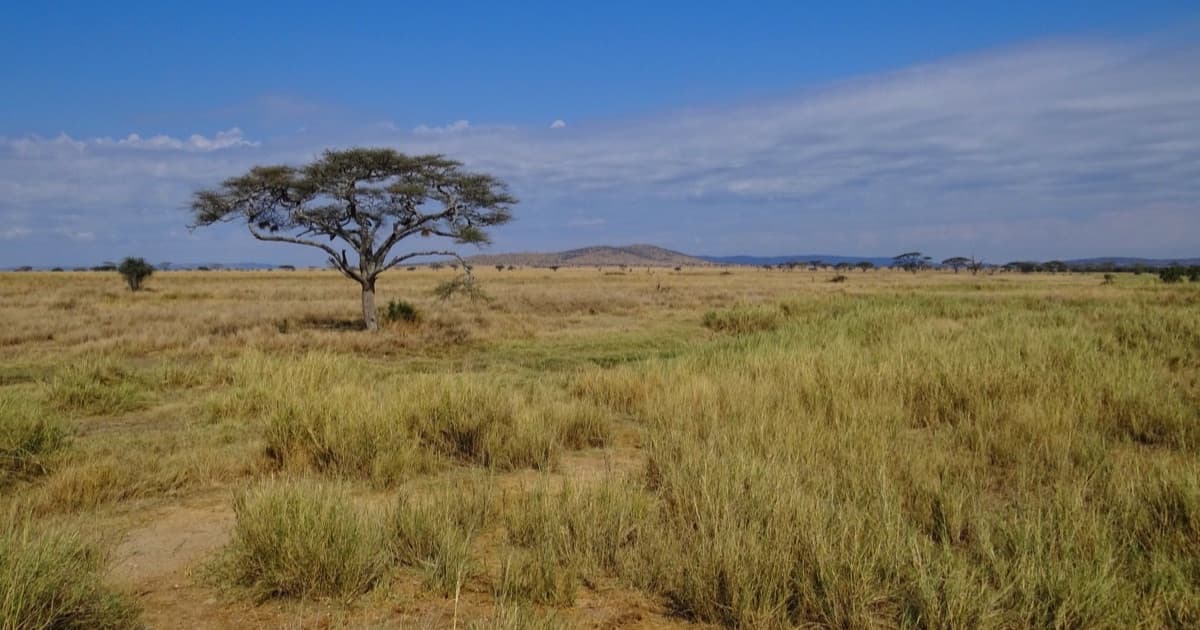
This is why Arusha is the best AFCON base in Africa for safari fans. Arusha National Park is 30 to 45 minutes away and works on a match day morning. Tarangire, about two hours away, is at its best in June and July when elephant herds gather on the river, and Lake Manyara pairs with it for a two-day trip. Ngorongoro Crater is 3 to 3.5 hours away and best with one night.
With three to five free days, the Serengeti is the prize: in June and July the Great Migration herds are usually in the western corridor and central Serengeti, moving north. Fly in to save a long day of driving each way. Our match planner map shows every option by free time, and our 5-day AFCON match and safari itinerary and 8-day match and migration itinerary are built around an Arusha match.