
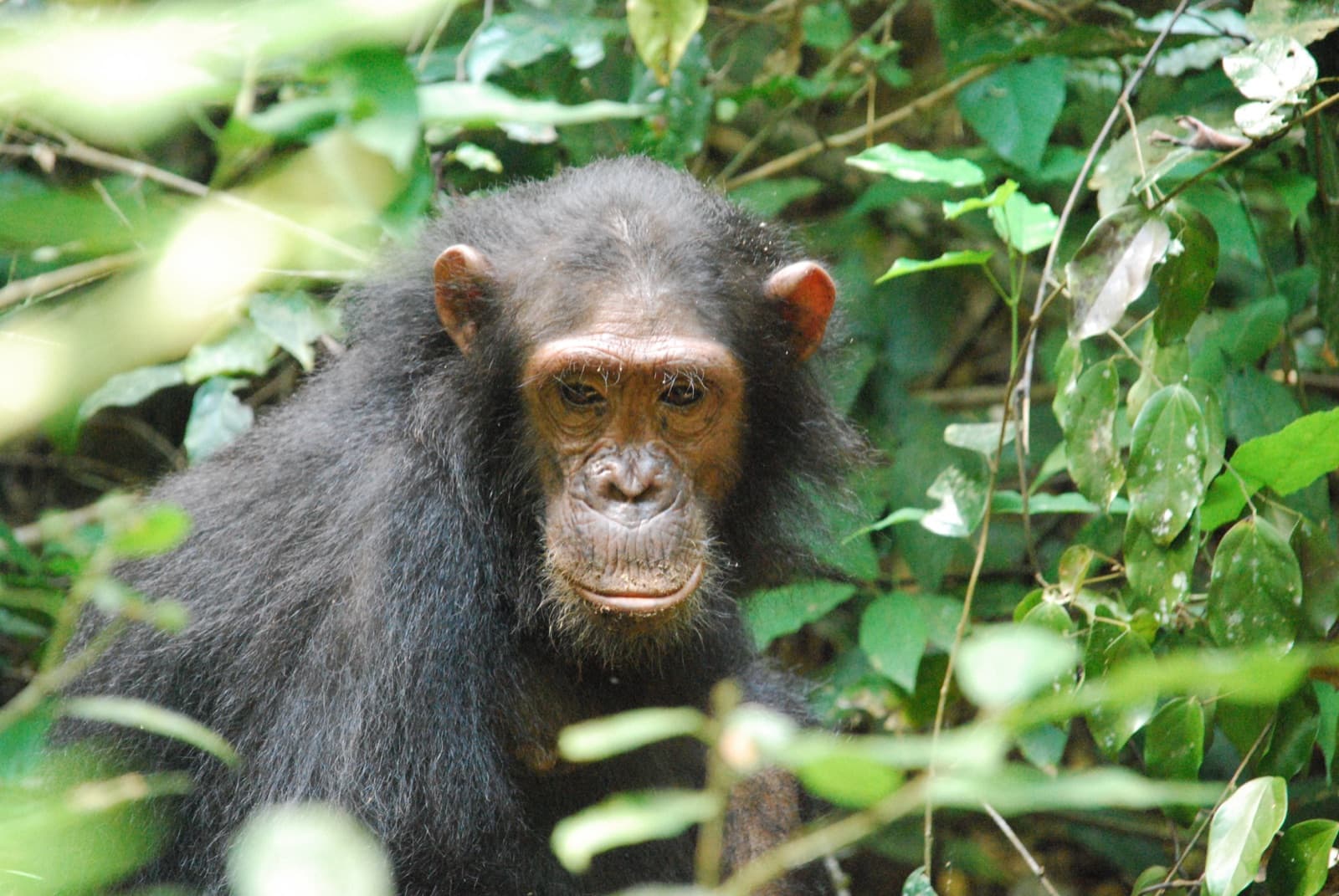
What is Gombe Stream National Park famous for?
Gombe is where Jane Goodall made two of the most significant discoveries in 20th-century science: that chimpanzees make and use tools (she observed chimps stripping grass stems to extract termites from mounds, dismantling the definition of "humans as the only tool-making animal"), and that chimpanzees engage in organised violence — territorial warfare between communities.
The Jane Goodall Institute still maintains the research presence at Gombe. Tanzanian field researchers and students continue the 60-year study. The data archive here — six decades of daily observations on known individuals across four generations of chimpanzees — is irreplaceable.
For visitors, this history adds depth to the wildlife encounter. You're not watching anonymous wild animals. You're watching documented individuals whose parents and grandparents are part of a scientific record.
Can I visit Jane Goodall's research site at Gombe?
Yes — Gombe Research Centre is at the park and is open to visitors. You will see the research station, the feeding area where chimps were historically provisioned (a practice now discontinued), and informational displays about Goodall's work and ongoing studies. Tanzanian researchers often speak to visiting groups.
Jane Goodall herself is now in her 90s and based in the UK — she does not reside at Gombe, though she visits periodically.
How to get to Gombe Stream National Park
Step 1: Get to Kigoma
Kigoma is the essential gateway. Options from Dar es Salaam:
- By air: Coastal Aviation and Air Tanzania fly Dar–Kigoma (~2 hours, $150–250 one way). Most practical option.
- By TAZARA railway: Dar–Kigoma takes 36–48 hours on the Tanzania–Zambia Railway — an old, slow, scenic adventure option. Train runs twice per week.
Step 2: Kigoma to Gombe by boat
The park is accessible only by boat from Kigoma's lake shore (no roads).
- Charter speedboat: 1.5 hours, $150–250 return. Most reliable option.
- Local water taxi (dalla dalla ya maji): $5–10/person, leaves when full, 2–3 hours. The budget option.
Most lodges and the TANAPA headquarters in Kigoma help arrange boat access.
Gombe vs Mahale: which chimpanzee park is better?
| Gombe | Mahale | |
|---|---|---|
| Chimp group size | ~40 (Kasekela) | ~60 (M-group) |
| Research legacy | 60+ years (Jane Goodall) | 50+ years (Japanese) |
| Access | Easier (closer to Kigoma) | Harder (longer flight) |
| Cost | Lower | Higher |
| Accommodation | Basic to mid-range | Mid-range to luxury |
| Success rate | High | Very high |
| Beach swimming | Yes (Lake Tanganyika) | Yes (Lake Tanganyika) |
Choose Gombe if: Budget is a factor, you value Jane Goodall's scientific legacy, or you want easier logistics from Kigoma. Choose Mahale if: You want the highest-quality encounter with the largest group, better accommodation, and don't mind the additional cost and travel time.
Best time to visit Gombe for chimpanzee trekking
May–October (dry season) — recommended Optimal trekking conditions. Chimps remain at lower elevations. Forest paths are drier and more navigable. Lake Tanganyika is calm. July–October: peak demand — book 3+ months ahead.
November–April (wet season) Chimps move higher into the mountains — treks become longer (sometimes 3–4 hours one way). The forest is spectacularly green. Far fewer visitors. Prices are 20–30% lower. March–April rains are the heaviest.
What can you see at Gombe besides chimpanzees?
The Kasekela community (approximately 40 chimpanzees) is the primary focus, but Gombe also has: colobus monkeys, vervet monkeys, olive baboons, bush pigs, and over 200 bird species. The lake shore at the park station is a pleasant beach where swimming is possible in calm conditions. Snorkelling in Lake Tanganyika reveals endemic cichlid fish.