
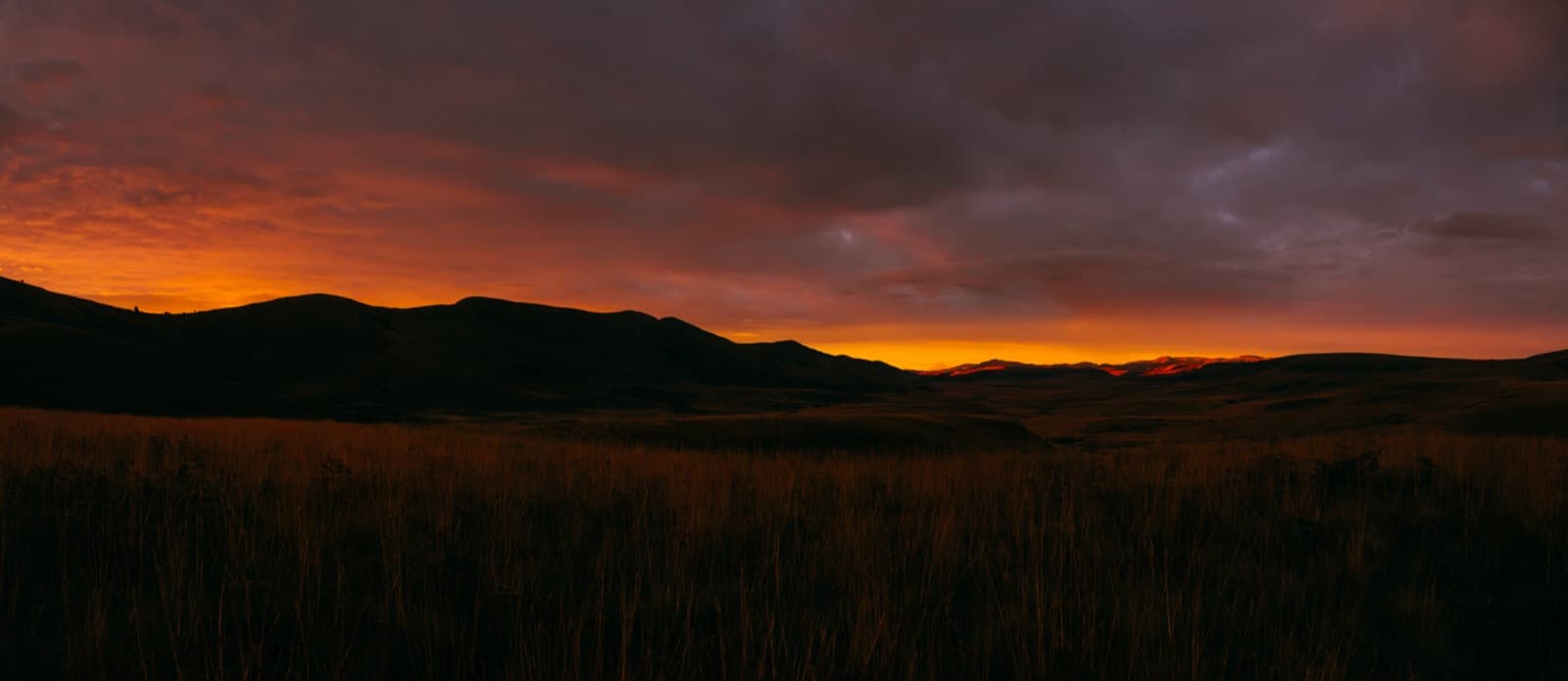
Why is Kitulo called the Serengeti of Flowers?
The comparison refers to scale, not landscape type. Just as the Serengeti astonishes with the sheer number of animals it contains, Kitulo astonishes with the density and diversity of wildflowers in a relatively small area. The plateau covers approximately 413 km² and hosts over 350 plant species, including 45 orchid species — a density matched nowhere else in Africa south of the Sahara.
The plateau was created by ancient volcanic activity that deposited mineral-rich soils at high altitude. The combination of altitude (2,400–2,800m), rainfall (1,200–1,800mm/year), and rich volcanic soil creates perfect orchid habitat that has persisted for thousands of years.
Kitulo was gazetted as a national park in 2005 — primarily to protect its botanical heritage rather than its wildlife (though wildlife is present too). It was the first park in sub-Saharan Africa established primarily to protect wildflowers.
Best time to visit Kitulo — when do the flowers bloom?
November–April (rainy season): PEAK BLOOM This is when Kitulo is at its most spectacular. The rains trigger mass flowering across the plateau. Orchids peak in January–March. The downside: the access road can become extremely muddy, and cloud and mist are common.
December–February: Absolute peak. The greatest diversity and density of flowering species. Expect crowds of Tanzanian wildflower enthusiasts.
May–October (dry season): The plateau is green but far fewer flowers are in bloom. Hiking conditions are better (drier trails, clearer skies) but the botanical spectacle is reduced.
Best single month: January — maximum orchid diversity, manageable road conditions, and clear mornings before afternoon clouds build.
How to get to Kitulo National Park
Kitulo sits between Mbeya and Njombe in the Southern Highlands. There is no direct public transport to the park gate.
From Mbeya:
- Mbeya to Chimala by bus (1.5 hours, TZS 5,000–8,000)
- Chimala to Kitulo Gate by local vehicle or hired 4WD (45–60 minutes; the final 20km is unpaved and often very muddy in wet season)
- Total journey: 3–4 hours from Mbeya
From Njombe:
- Njombe to Matamba junction (1.5 hours by bus)
- Matamba to Kitulo (30–45 min by hired vehicle)
Self-drive: A high-clearance 4WD is essential in wet season. The plateau track can be impassable for 2WD vehicles after heavy rain.
Tour operators: Several Mbeya-based operators run day trips and overnight camping packages to Kitulo. This is the easiest option for most visitors.
What wildlife can you see in Kitulo?
Kitulo is primarily a botanical park, but wildlife is present:
Birds: Over 400 species recorded. Kitulo is one of Tanzania's premier birding destinations. Highlights include the blue swallow (vulnerable, rare), Denham's bustard, pallid harrier, and dozens of endemic or range-restricted species. Bring binoculars.
Mammals: Mountain zebra, eland, buffalo, leopard (rarely seen), klipspringer, and duiker are present. The plateau's open grasslands make sightings possible but not guaranteed — this is not a game-viewing park in the traditional sense.
Reptiles: Chameleons (multiple species) are common and easily spotted in the vegetation. Jackson's chameleon is a highlight.
Hiking in Kitulo National Park
Kitulo is Tanzania's best hiking national park. The plateau's altitude and open landscape make it ideal for multi-day trekking.
Day hikes: 4–8km circular routes from the main camp area through orchid meadows and along plateau ridges. The plateau's edge offers dramatic views down to the Great Ruaha valley, 1,500 metres below.
Multi-day routes: 2–3 day hikes linking Kitulo with the Kipengere Range and Livingstone Mountains are possible with guides. Wild camping is permitted with park permission.
Guided walks: TANAPA guides are mandatory for all hikes (included in the park fee structure). They are knowledgeable about plant identification and will find species you'd miss alone.