Mahale Mountains travel guide — Tanzania safari tips
Travel guideMahale Mountains·

Mahale Mountains Chimpanzee Trekking Tanzania 2025/2026: The Complete Guide

Read in Swahili
SE

By Safarani editorial team

Last fact-checked 29 April 2026

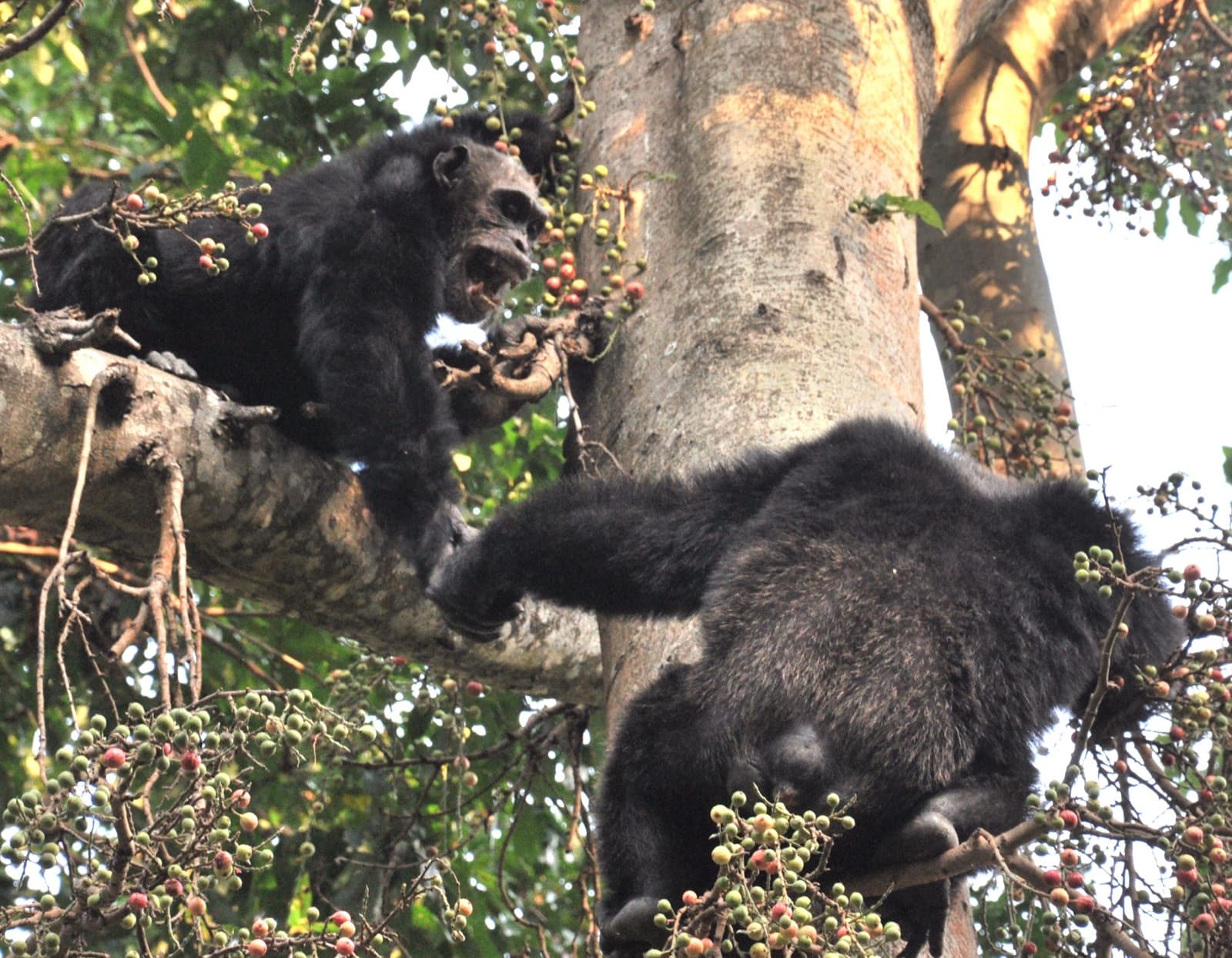
Mahale Mountains National Park is where you spend one hour with a habituated community of wild chimpanzees on the forested slopes above Lake Tanganyika — Africa's deepest lake, stretching 673 km across four countries. The M-group chimps at Mahale have been studied and habituated by Japanese researchers since 1965, making their trust in human presence one of the most established in the world. The experience is genuinely unlike anything else in African wildlife. You walk into the forest with a tracker who has located the group that morning. You sit within 7 metres of animals that share 98.7% of your DNA. A young chimp may approach to within arm's reach out of curiosity. An adult male may scream and charge nearby — not at you, but in a dominance display that you feel physically. One hour ends too quickly. After the trek, you swim in Lake Tanganyika from a beach of white sand. The lake is bilharzia-free. The mountain rises behind your camp. There are no roads and no vehicles inside the park. This guide explains how to reach Mahale, what the trek involves, what it costs, and whether Mahale or Gombe is the better choice.

Getting Started

Beginner Guide

How close can you get to chimpanzees at Mahale?

The minimum observation distance at Mahale is 7 metres. You may not approach closer, but the chimps are free to approach you — and they do. Young chimpanzees, particularly juveniles, are curious and will approach within 2–3 metres. Adult males maintain more distance.

The 7-metre rule exists because chimpanzees can transmit and contract many human respiratory diseases. Strict regulations protect both the animals and visitors. If you feel unwell before a trek, you are required to stay in camp.

Mahale vs Gombe: which is better for chimpanzee trekking?

This is the most-asked question, and it has a clear answer for most visitors:

Mahale has a larger habituated chimpanzee group (the M-group with approximately 60 individuals), higher success rates for sightings, more dramatic mountain scenery, better accommodation, and Lake Tanganyika beach access. It is harder and more expensive to reach.

Gombe is significantly cheaper, easier to access (closer to Kigoma), and carries the weight of Jane Goodall's 60-year research legacy. The Kasekela community (approximately 40 individuals) is smaller but equally habituated. For visitors who care about the scientific history of primate research, Gombe is the more meaningful destination.

Bottom line: Mahale delivers a more reliably spectacular chimpanzee encounter and a more luxurious experience. Gombe is better value and carries more historical significance.

How to get to Mahale Mountains National Park

By charter flight

The primary route is Dar es Salaam or Arusha → Mahale airstrip by charter plane. Air Excel, Coastal Aviation, and similar operators fly this route. Flight time from Dar: approximately 2.5–3 hours with a possible fuel stop. Cost: $400–600/person one way. Your lodge includes the airstrip transfer in the arrival package.

By lake ferry (the budget option)

Kigoma town (reachable by air from Dar in 2 hours, or by TAZARA railway) → MV Liemba ferry down Lake Tanganyika → Lagosa landing near Mahale. The ferry is approximately $10–30 one way but runs only twice per week and is notoriously unreliable. From Lagosa, a motorboat to the park takes 1–2 hours. Total journey from Dar: 2–3 days. A genuinely adventurous option for budget travellers.

Best time to visit Mahale for chimpanzee trekking

May–October (dry season) — recommended

The best trekking conditions. Chimps descend from the mountains to lower elevations where they are easier to locate. Forest paths are drier. Lake Tanganyika is calm and clear. July–October is the highest demand period — book 6+ months ahead.

July–October Peak season. The M-group tends to be found within 1–2 hours of camp most days. Lake visibility for swimming and snorkelling peaks.

November–April Wet season. The chimps move higher into the mountains, making treks longer (sometimes 4+ hours one way). Forest is lush and beautiful. Significantly fewer visitors and lower prices (20–30% below peak). The rain is often manageable — a light drizzle rather than continuous downpour outside of March–April.

December–February Reasonably dry within the wet season. Good conditions for trekking, somewhat lower prices than peak.

What to do at Mahale besides chimpanzee trekking

Swimming in Lake Tanganyika. The lake is bilharzia-free, crystal clear, and warm (approximately 26°C). The beach at Greystoke or Mbali Mbali camps is exceptional. Many guests consider this equally memorable to the chimpanzee trek.

Forest walks. Guided walks for other primates (red colobus, olive colobus, red-tailed monkey), forest birds, and botanical interest. Mahale has 50+ mammal species and extraordinary forest bird diversity.

Snorkelling. Lake Tanganyika has 350+ endemic cichlid species — colourful freshwater fish visible in the shallows. The clarity is remarkable.

Budget Planning

Costs

How much does a Mahale chimpanzee trek cost in 2025/2026?

Mahale is one of Tanzania's most expensive destinations due to remote access and limited accommodation.

Park and permit fees (2026)

  • Park entry: $80/person/day
  • Chimpanzee trekking permit: $100/person/day (separate from park entry)
  • Total park/permit fees: $180/person/day

Accommodation (all-inclusive) Two lodges operate at Mahale:

  • Greystoke Mahale (luxury): $750–1,200/person/night all-inclusive (park fees, chimpanzee treks, all meals, motorboat transfers, beach activities)
  • Mbali Mbali Mahale (mid-range): $400–700/person/night all-inclusive

Both include all activities. The difference is accommodation quality — Greystoke is considered among Africa's best safari camps.

Charter flight costs $800–1,200/person return from Arusha or Dar es Salaam.

Total trip cost (4 nights, Greystoke Mahale, 2 people) Flights ($1,000) + accommodation ($900/person/night × 4 = $3,600): approximately $4,600/person.

Is there a budget option at Mahale? The lake ferry from Kigoma + basic camping is technically possible but extremely logistically complex, ferry-dependent, and the park permit fees remain the same. Mahale has no meaningful budget tier — the access and permit costs set a natural price floor above mid-range.

Travel Advice

Travel Tips

Practical tips for Mahale chimpanzee trekking

Go for at least 3 nights. Chimpanzee treks happen once per day (mornings). With 3 nights you get 3 trek attempts — which gives you a very high probability of at least two excellent encounters. Guests who come for 2 nights often wish they'd booked more.

Fitness matters. Some treks involve steep, slippery forest terrain for 2–4 hours. You don't need to be an athlete, but you need walking fitness. Inform your operator of any mobility limitations — staff can often arrange lighter routes.

Silence and stillness around the chimps. Your guide will brief you before the encounter. The key rules: minimum 7 metres distance, no flash photography, crouch if a chimp approaches at eye level, no rapid movements, no eating in the presence of the group.

Bring dry bags for electronics. The forest is humid and occasionally rains without warning. A waterproof bag for your camera and phone is essential.

Combine with Katavi National Park. Operators running western Tanzania itineraries pair Mahale (chimps and lake) with Katavi (remote plains, hippos, lions) — completely different ecosystems in the same trip. The combination is widely considered one of Tanzania's best safari experiences.

Frequently asked questions about Mahale Mountains

How close can you get to chimpanzees at Mahale? The regulated minimum distance is 7 metres. However, the chimps are not confined and will approach closer if curious — particularly juveniles, who will come within 2–3 metres of visitors regularly. Adults maintain more distance.

Is chimpanzee trekking at Mahale guaranteed? The habituated M-group is located by trackers every morning before guests depart. Sightings happen on the vast majority of days (Greystoke reports fewer than 5 failed sightings per season). Finding the group is not guaranteed but is highly reliable.

Mahale vs Gombe — which should I choose? Mahale for a larger group (60 chimps), better accommodation, higher success rates, and the Lake Tanganyika beach experience. Gombe for Jane Goodall's research legacy, lower cost, and easier access from Kigoma. Both are outstanding.

What is the best time to visit Mahale for chimpanzees? July to October (dry season) is best — chimps are at lower elevations, treks are shorter, and lake conditions are ideal. May–June is also very good with fewer visitors. Wet season (November–April) is possible but treks are longer.

Browse verified Mahale operators on Safarani.

Ready to book?

Browse verified Tanzania operators running trips to Mahale Mountains.

Browse operators →