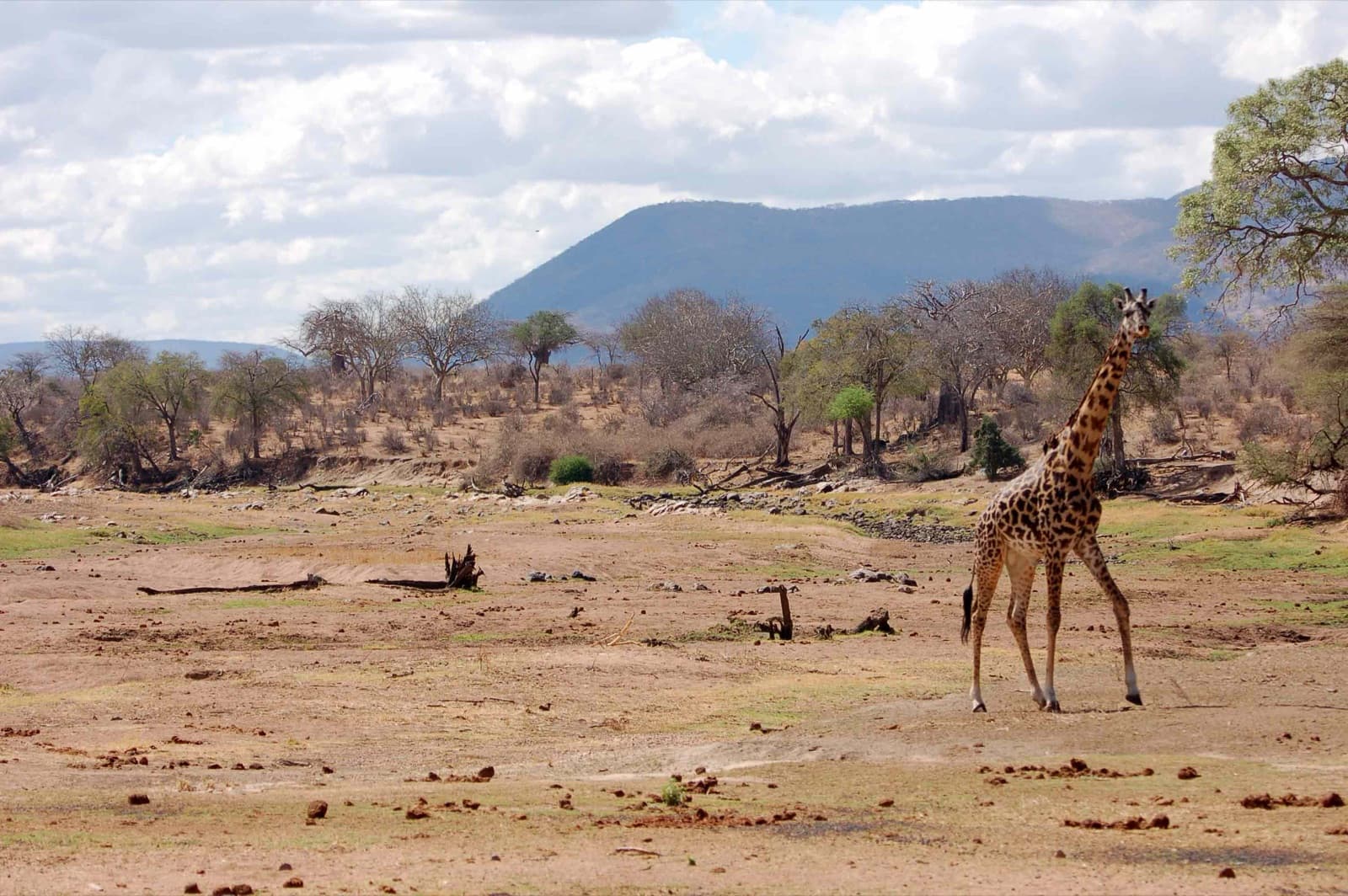
Ruaha travel guide — Tanzania safari tips
Travel guideRuaha·

Ruaha National Park Safari Guide 2025/2026: Tanzania's Hidden Wilderness

Read in Swahili
SE

By Safarani editorial team

Last fact-checked 29 April 2026

Ruaha National Park is Tanzania's largest park — 20,226 km², bigger than the Serengeti — and one of the least visited in proportion to its wildlife. It holds an estimated 10% of the world's lion population, one of Africa's largest elephant concentrations (12,000+ animals), and the Great Ruaha River, which cuts through ancient rocky terrain in a landscape that looks nothing like the northern circuit's open plains. The appeal of Ruaha is the combination of wildlife density and solitude. In peak season you might share a waterhole view with three other vehicles. In low season you might have it to yourself for an hour. Walking safaris — restricted or unavailable in most TANAPA parks — are permitted and operated by several Ruaha camps. Night drives on private conservancy land adjacent to the park reveal a nocturnal world unavailable in the north. This guide explains how to reach Ruaha, what the dry-season elephant concentrations look like, what walking safaris involve, and what a Ruaha safari realistically costs in 2025/2026.

Getting Started

Beginner Guide

What makes Ruaha National Park different from northern circuit parks?

Three things separate Ruaha from the Serengeti, Ngorongoro, and Tarangire:

Scale and solitude. At 20,226 km², Ruaha is Tanzania's largest park. Visitor numbers are a fraction of the northern circuit — no queues of vehicles at sightings, no convoy effect around a lion pride. You get quality time with animals.

Walking safaris. TANAPA permits guided walking safaris in Ruaha — something unavailable in most northern circuit parks. Walking with an armed, experienced guide through bush where lions and elephants are present is a genuinely different experience from vehicle game drives. The sensory engagement — sounds, smells, tracks, temperature — cannot be replicated from a Land Cruiser.

Different species. Ruaha's mix of miombo woodland, riverine forest, and savannah supports species rarely seen in the north: greater and lesser kudu, sable antelope, roan antelope, and wild dogs in higher densities than anywhere in the northern circuit.

How to get to Ruaha National Park

By charter flight (strongly recommended)

Arusha or Dar es Salaam to Msembe airstrip (inside the park). Coastal Aviation, Air Excel, and Auric Air operate scheduled flights. Flight time from Dar: 1.5 hours. From Arusha: 2 hours. Cost: $200–350/person one way. Most reputable Ruaha operators include flights in package prices.

By road from Iringa

Iringa town is 120 km from the Msembe gate — 2.5–3 hours on a rough track requiring a 4WD. Iringa is 500 km from Dar (5–6 hours on the TANZAM highway, or 1 hour by air). The overland route is used by budget travellers willing to invest the travel time. The final 30 km to the park gate are particularly rough.

Best time to visit Ruaha National Park

June–October (dry season) — essential for the best experience

The Great Ruaha River drops and animals concentrate. Elephant herds of 100–200 animals at the river's edge are common in August and September. Lion and leopard sightings improve as prey concentrates near water. Wild dog activity intensifies. The landscape turns golden and the rocky terrain becomes visually dramatic.

July–October: Peak season. Book 6+ months ahead for the best camps. June: Excellent, fewer visitors, slightly lower prices.

January–March

A brief dry spell within the wet season. The park is green, far fewer vehicles, good wildlife activity, lower prices (30–40% below peak). Less dramatic elephant concentrations but good general game viewing.

April–May — avoid

The long rains make roads impassable and most camps close. Not recommended.

What wildlife will you see in Ruaha?

Lions. Ruaha holds an estimated 10% of the world's remaining lion population — an extraordinary figure. Large prides of 15–20 animals are documented. The low visitor density means you get extended, unhurried encounters.

Elephants. An estimated 12,000+ elephants use the park. Some of Africa's largest-tusked bulls are found in Ruaha — genuine old-growth tuskers that are now extremely rare elsewhere.

African wild dogs. Ruaha has one of Tanzania's strongest wild dog populations. Denning season (June–July) is the best time for extended pack sightings.

Greater and lesser kudu. These large, spiral-horned antelope are rarely seen in the northern parks but common in Ruaha's mixed woodland.

Walking safaris. The Great Ruaha River and surrounding bush — with buffalo, elephant, and lion present — make walking genuinely exciting. Guides are armed, experienced, and trained specifically for this environment. Most camps operate 2–3 hour morning walks.

Budget Planning

Costs

How much does a Ruaha safari cost in 2025/2026?

Park fees (TANAPA 2026)

  • Entry: $60/person/day (high season), $45/person/day (low season)
  • Vehicle fee: $40/vehicle/day

Budget (camping) Public campsites at the park are basic (no facilities). Bring all equipment.

  • Camping: $40–50/person/night
  • Vehicle hire from Iringa: $100–150/day
  • Total per person: $180–250/day (minimum budget option)

Mid-range tented camps

  • Accommodation: $250–450/person/night all-inclusive (meals, game drives, guide)
  • Park fees: included in most packages
  • Total: $380–580/person/day

Luxury tented camps

  • Accommodation: $600–1,200/person/night all-inclusive
  • Private vehicle, walking safaris, night drives (on conservancy land): included
  • Total: $750–1,400+/person/day

Charter flight costs $400–700/person return from Arusha or Dar. This is the significant cost item that makes Ruaha a minimum mid-range destination for most visitors. Budget travellers using the Iringa road reduce this substantially.

5-night Ruaha trip estimate (mid-range, 2 people) Flights ($500) + accommodation ($350/person/night × 5 nights) + park fees ($60 × 5 = $300): approximately $3,300/person total.

Travel Advice

Travel Tips

Practical tips for a Ruaha safari

Minimum 3 nights — ideally 4–5. The flight from Arusha or Dar takes time and money. Getting to Ruaha and staying only 2 nights is poor value. Three nights gives you six game drives; four nights gives you eight. The extended time in a remote wilderness produces encounters impossible in the crowded north.

Prioritise a walking safari. Don't choose a camp that doesn't offer walking. The guided walking experience in Ruaha — tracking elephant, reading lion spoor, watching a herd of buffalo from 80 metres on foot — is the park's defining differentiator from the northern circuit. Ask your operator explicitly to confirm walking is included.

Pack for dust. Ruaha's dry season is extremely arid. Red dust covers everything by mid-season. Zip-lock bags for electronics, a dust cloth for lenses, and a buff or bandana are essential.

Ask about night drives. Several Ruaha camps operate on adjacent private conservancy land where night drives are permitted. Bush pigs, aardvark, honey badger, genets, servals, and occasionally lion hunting by spotlight are possible.

Frequently asked questions about Ruaha National Park

How many elephants are in Ruaha National Park? Approximately 12,000+ elephants use the park, making it one of Africa's largest elephant populations. The dry-season concentration along the Great Ruaha River — herds of 100–200+ animals at the water's edge — is one of East Africa's most dramatic wildlife spectacles.

Can you do walking safaris in Ruaha National Park? Yes — Ruaha is one of the few TANAPA parks where guided walking safaris are permitted. Several camps operate 2–3 hour morning walks with armed, experienced guides. Walking in an area with lion, elephant, and buffalo present is genuinely exciting and unlike anything available in the northern circuit.

How do I get to Ruaha National Park? The practical route is a charter flight from Dar es Salaam or Arusha to Msembe airstrip inside the park (1.5–2 hours, $200–350/person one way). Road access from Iringa is possible for budget travellers — 120 km, 2.5–3 hours on a rough track requiring a 4WD.

What is the best time to visit Ruaha? June to October is the dry season when wildlife concentrates at the Great Ruaha River. August–September produces the most dramatic elephant and predator sightings. January–March is a secondary dry period — green, quiet, and good value. Avoid April–May (long rains).

Is Ruaha better than the Serengeti? Ruaha offers more solitude, comparable predator density, walking safaris, and a wilder, more remote feel. The Serengeti has the wildebeest migration and more diverse open-plains wildlife. Most serious safari-goers rate Ruaha alongside Selous as their Tanzania highlights. For a first-time visitor, the Serengeti may be more immediately rewarding; Ruaha tends to be more appreciated by repeat visitors who've already done the north.

Browse verified Ruaha operators on Safarani.

Ready to book?

Browse verified Tanzania operators running trips to Ruaha.

Browse operators →