
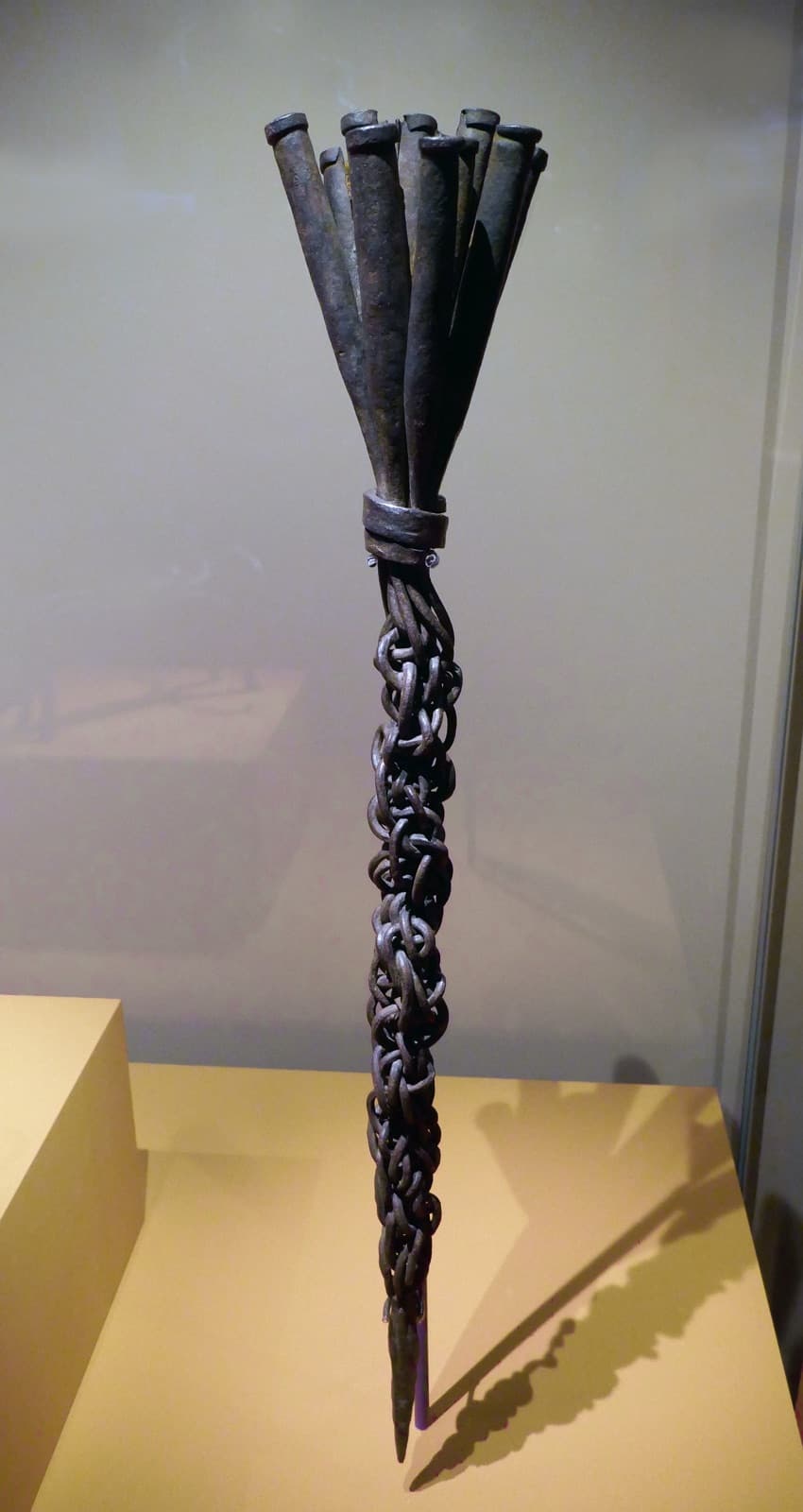
What is the Karagwe Kingdom and why does it matter?
The Karagwe Kingdom was one of the most powerful interlacustrine (between-the-lakes) kingdoms of the Great Lakes region, flourishing from approximately the 15th century until the late 19th century. At its peak, it controlled territory across modern northwest Tanzania and was known across the region for:
Iron technology: The Haya people of Karagwe developed preheated-air blast furnace iron smelting — a technology producing carbon steel that was not independently developed in Europe until the Industrial Revolution. Archaeological work by Haya ironworkers and academics in the 1970s demonstrated that medieval Karagwe iron was as hard as modern tool steel.
Cattle culture: Karagwe cattle herding reached extraordinary sophistication, with long-horned Ankole cattle (sanga cattle) kept primarily for prestige and milk. The breed survives today.
Banana cultivation: Karagwe was a major banana-cultivating kingdom at a time when bananas were not yet common across much of East Africa.
The kingdom's seat was at Bweranyange, where palace ruins and the royal burial grounds survive. The Bweranyange Palace ruins are the most significant archaeological site in Tanzania's northwest and are accessible within the park area.
Wildlife in Rumanyika-Karagwe
Roan antelope: The park's signature species. Roan (Hippotragus equinus) are large, horse-like antelope with distinctive face masks, curved horns, and reddish-brown coats. Tanzania has few roan populations — Rumanyika is one of the most reliable locations in the country for a sighting. Early morning game drives in the park's open grassland areas give the best chances.
Other mammals: Buffalo, hippo, waterbuck, reedbuck, topi, oribi, warthog, and various primates (olive baboon, colobus, vervet). Elephant and leopard are present but rarely seen.
Birds (400+ species): The park's highland location and diverse habitats create excellent birding. The rolling woodland and grassland hold Denham's bustard, Jackson's widowbird, and multiple sunbird species. The wetland edges support grey crowned crane, saddle-billed stork, and African fish eagle. Usambara-area specialists are also recorded here.
How to get to Rumanyika-Karagwe
From Bukoba:
- Drive southwest from Bukoba to Kyaka then Karagwe District — approximately 100 km, 2–2.5 hours on tarmac and graded road
- Bukoba has flights from Dar es Salaam (Air Tanzania, Precision Air, ~2 hours)
From Mwanza:
- Fly to Bukoba then road transfer; or drive the long route around Lake Victoria's south shore (~8–10 hours)
- The Mwanza–Bukoba ferry (overnight lake crossing, 10–12 hours) is a scenic alternative
Combining with Ibanda-Kyerwa: The two parks are 30–50 km apart. A 4–5 day northwest circuit of both parks from Bukoba is the recommended approach for anyone making the journey to this region.
4WD required: Inside the park, tracks are unpaved and can be rough. A high-clearance 4WD is essential, particularly for reaching the more remote areas and the Bweranyange archaeological sites.
Best time to visit Rumanyika-Karagwe
June–October (dry season): Best overall. Grass is shorter, wildlife more visible, roads driveable. Roan antelope are most reliably spotted in the open grassland sections in July–September.
November: Short rains begin but the park is still accessible. Green and beautiful.
December–February: Good conditions. The park receives less rain than the coast.
March–May: Long rains. Roads deteriorate. Not recommended without local guidance.
The Bweranyange Palace ruins
The most significant historical site in the park area is the Bweranyange Palace complex — remains of the royal compound of the Karagwe Kingdom's ruling Hinda dynasty. The site contains:
- Foundation walls of royal structures built in the distinctive rammed-earth construction typical of interlacustrine kingdoms
- Royal burial mounds associated with past Mukama (kings)
- An iron-smelting site demonstrating the sophisticated preheated blast furnace technology
- Local community members who can provide oral history of the kingdom
A visit to Bweranyange with a local community guide is as important as the wildlife game drive for understanding what makes Rumanyika-Karagwe unique among Tanzania's parks.