Selous travel guide — Tanzania safari tips
Travel guideSelous·

Selous Game Reserve (Nyerere NP) 2025/2026: Boat Safaris on the Rufiji River

Read in Swahili
SE

By Safarani editorial team

Last fact-checked 29 April 2026

The Selous Game Reserve — the southern portion remains gazetted under this name while the northern photographic sector was renamed Nyerere National Park in 2019 — is part of Africa's largest single protected wildlife area at approximately 50,000 km² combined. Julius Nyerere, Tanzania's founding president, once called it "the wildest place in Africa." Sixty years later, that description still holds. The Rufiji River, Tanzania's most voluminous watercourse, defines the ecosystem. It winds through channels, oxbow lakes, and floodplains before emptying into the Indian Ocean south of Dar es Salaam. The river's banks hold an estimated 2,500+ hippos — one of Africa's largest concentrations — and Nile crocodiles of extraordinary size. A boat safari here is the quietest, closest, and most memorable large-mammal encounter most visitors will have anywhere in Tanzania. This guide covers the boat safari experience, walking safaris in the Selous, what the wild dog population means for visitors, and how to plan a trip from Dar es Salaam.

Getting Started

Beginner Guide

Selous vs Nyerere: what's the difference?

In 2019, Tanzania divided the former Selous Game Reserve into two zones:

Nyerere National Park: The northern sector (photographic zone) — approximately 30,000 km². All major photographic safari camps are here. Managed by TANAPA.

Selous Game Reserve: The southern sector — hunting concession land. No photographic tourism. Managed separately.

For travellers: you are visiting Nyerere National Park. The name "Selous" persists in many operator descriptions and search results because it was the name for 90+ years. When booking, confirm that your camp is in the Nyerere NP photographic sector.

What is the Rufiji River boat safari?

The boat safari on the Rufiji River is the defining Selous/Nyerere experience. In a small aluminium motorboat or pontoon, you drift silently along the river at water level — perspective impossible from any vehicle.

In a 2–3 hour morning boat safari you might:

  • Stop within 5 metres of a hippo pod of 40–60 animals
  • Watch a 5-metre Nile crocodile slide off a sandbank
  • Photograph a fish eagle dropping into the water for a kill
  • Drift past a herd of 200 buffalo drinking at the bank

The silence and proximity of the boat safari is qualitatively unlike any vehicle game drive. Most visitors consider it the single most memorable activity of their Tanzania trip.

How to get to the Selous / Nyerere National Park

By charter flight from Dar es Salaam

45–60 minutes to park airstrips (Mtemere, Beho Beho, Siwandu, Jongomero). Multiple operators fly daily. Cost: $200–300/person one way.

By road from Dar

240 km on the TANZAM highway then a rough track — approximately 4 hours in dry season. Possible with a 4WD but not comfortable. Wet season road access is severely compromised.

Best time for a Selous/Nyerere safari

June–October: The dry season is optimal. Low Rufiji water levels concentrate wildlife on exposed banks — hippo and croc encounters are most dramatic. Walking safari conditions are best. Wild dogs denning in June–July. Book 4–6 months ahead for the best camps.

January–February: Short dry season, good game viewing, lower prices, fewer visitors.

April–May: Avoid — most camps close for the long rains.

What wildlife is in Selous / Nyerere National Park?

The ecosystem holds one of Africa's most diverse assemblages:

Wild dogs: An estimated 1,000+ in the Selous–Nyerere ecosystem — one of the largest populations anywhere in Africa. June–July pup season is best.

Hippos: 2,500+ in the Rufiji system. The river boat safari is the primary venue.

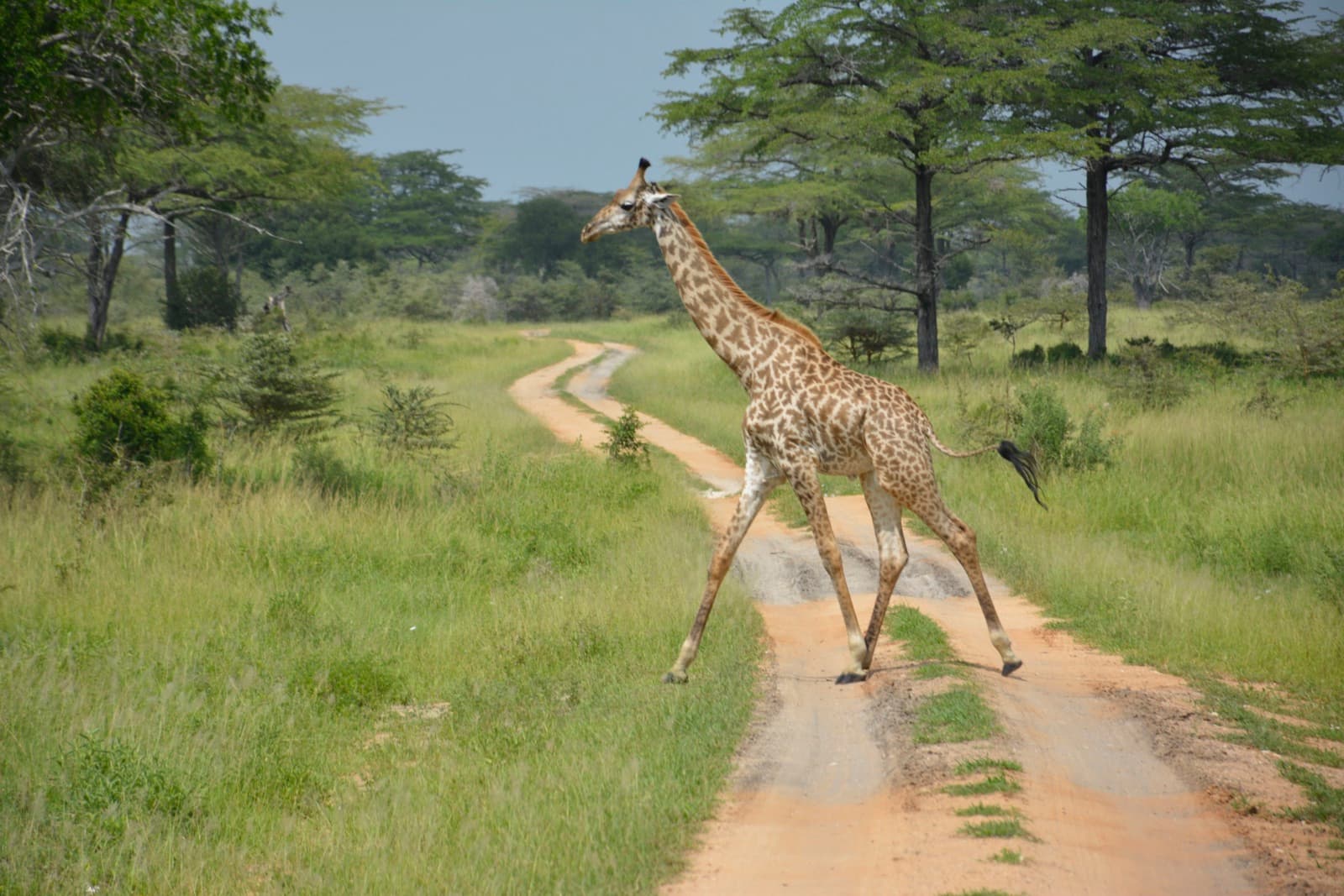
Lions, leopard, elephant, buffalo, giraffe, zebra, impala, waterbuck, wildebeest: All common.

Birds: 440+ species recorded. The Rufiji corridor is a birding highlight: African skimmer, palm-nut vulture, Bohm's bee-eater, goliath heron, open-billed stork.

What activities are available?

Game drives: Open vehicle drives through the floodplain and woodland. Standard safari activity.

Boat safaris: The signature experience — morning and afternoon trips on the Rufiji.

Walking safaris: Armed, guided bush walks with professional guides. Tracking, spoor identification, plant knowledge — an immersive experience unavailable in the north.

Fly-camping: One or two nights in a remote bush camp with minimal infrastructure — for visitors seeking total immersion.

Budget Planning

Costs

How much does a Selous / Nyerere safari cost in 2025/2026?

Park fees (Nyerere NP, TANAPA 2026)

  • Entry: $50/person/day (high season), $40/person/day (low season)

Accommodation (Nyerere NP sector)

  • Jongomero (ultra-luxury): $800–1,400/person/night all-inclusive
  • Beho Beho (luxury): $700–1,100/person/night all-inclusive
  • Sand Rivers (luxury): $900–1,500/person/night all-inclusive
  • Budget campsites: $50–80/person/night (self-catering, basic)

Charter flights from Dar $300–500/person return.

4-night safari (mid-luxury, 2 people, from Dar) Approximately $3,500–5,000/person all-inclusive.

Combine with Zanzibar: Selous/Nyerere + charter back to Dar + Zanzibar ferry (90 minutes, $35–55): one of Tanzania's most popular 10-day itineraries.

Travel Advice

Travel Tips

Practical tips for the Selous / Nyerere safari

The boat safari and walking safari are what make this park exceptional. Don't book a camp that only offers game drives. The Rufiji boat is irreplaceable; the walking safari is available in very few other Tanzania parks.

Book June–July if wild dogs with pups is the goal. Denning season is the window for extended pack sightings with new pups. Outside this window, dogs are nomadic and harder to locate.

Combine with Zanzibar efficiently. The Rufiji Delta meets the Indian Ocean coast — a charter or scheduled flight from the park airstrip to Zanzibar takes under an hour. It is the most logical bush-to-beach transition in Tanzania.

Frequently asked questions about the Selous Game Reserve

What is the difference between Selous and Nyerere National Park? They are the same ecosystem divided in 2019. The photographic safari sector (northern half) is Nyerere National Park. The southern hunting concession retains the Selous Game Reserve name. All major photographic camps are in Nyerere NP.

What makes the Rufiji River boat safari special? You are at water level in a small boat, drifting past hippo pods and crocodile sandbanks with no engine noise. Distances of 5–10 metres from hippos are routine. It is qualitatively different from any vehicle game drive — the proximity, the silence, and the river-level perspective are unique in Tanzania.

How far is Selous from Dar es Salaam? 240 km by road (4 hours) or 45–60 minutes by charter flight. It is one of the most accessible remote wilderness areas from Dar.

Can you do walking safaris in Selous / Nyerere NP? Yes — armed, guided walking safaris are a standard activity for camps in Nyerere NP. Professional guides lead guests through the bush at ground level. Considered among the best walking safari experiences in East Africa.

Browse verified Selous/Nyerere operators on Safarani.

Ready to book?

Browse verified Tanzania operators running trips to Selous.

Browse operators →