
What makes Ugalla River Game Reserve special?
Three things set Ugalla apart from Tanzania's other game reserves:
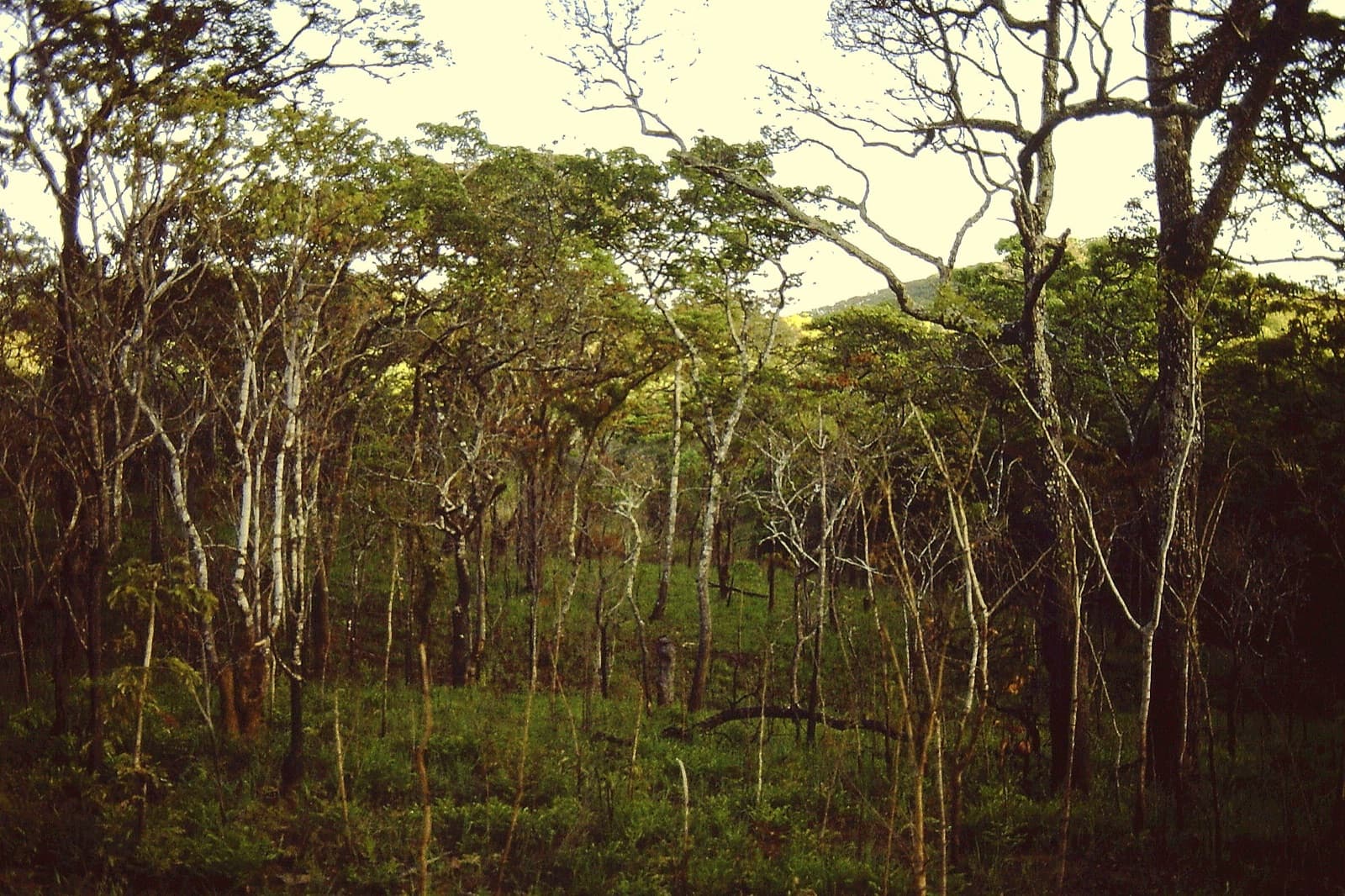
1. Unbroken miombo wilderness. Miombo woodland — the Brachystegia-dominated forest that covers much of central and western Tanzania — is one of Africa's most biologically important but least-visited habitats. At Ugalla, the miombo stretches to the horizon in every direction without a building, road, or power line in sight. The scale and silence are extraordinary.
2. African wild dogs. Ugalla has one of Tanzania's most significant wild dog populations. African wild dogs are endangered (fewer than 7,000 remain worldwide) and require large, intact territories — exactly what Ugalla provides. Sightings are possible but require patience and a skilled tracker. The reserve's low human disturbance means packs are large and behaviourally natural.
3. Miombo birds. The birding in Ugalla's woodland is exceptional for species rarely found elsewhere in Tanzania: Böhm's bee-eater, racket-tailed roller, Anchieta's barbet, moustached tinkerbird, and multiple miombo-specialist species not recorded in the northern circuit parks.
What wildlife is in Ugalla River Game Reserve?
Mammals: African wild dog (key species), lion, leopard, buffalo, hippo (along the Ugalla River), waterbuck, reedbuck, topi, roan antelope, sable antelope (rare), olive baboon, vervet monkey. Elephant is present but not reliably encountered.
Birds (350+ species): Miombo specialists dominate: racket-tailed roller, Böhm's bee-eater, Anchieta's barbet, white-tailed blue flycatcher, Souza's shrike, Miombo pied barbet. Along the river: pel's fishing owl (rare), giant and malachite kingfishers, African skimmer, and various herons and egrets.
The Ugalla River: The river itself — which winds through the reserve for approximately 150 km — is the wildlife concentration point in the dry season and the most productive area for game and bird drives. Hippo pools, crocodile sandbanks, and riverside forest edge are the key habitats.
How to get to Ugalla River Game Reserve
Via Tabora (main approach):
- Fly from Dar es Salaam to Tabora Airport (TBO): Precision Air and other carriers operate the route (~1.5 hours)
- From Tabora, drive west to the reserve boundary (~3–4 hours on deteriorating roads)
- A 4WD is essential from Tabora
Via TAZARA railway:
- The Tanzania-Zambia railway (TAZARA) has a station at Tabora — one of the most interesting rail journeys in Africa. Trains from Dar take 12–15 hours to Tabora. Buying a first-class sleeper is recommended.
- Tabora station is a colonial-era German railway building of some historical interest
Operator requirement: Independent travel to Ugalla is strongly discouraged and potentially dangerous — the reserve has no mobile phone reception, no marked trails, no permanent infrastructure, and limited emergency access. An experienced operator with knowledge of the reserve's seasonal access and tracking capabilities is essential.
Best time to visit Ugalla River Game Reserve
July–October (late dry season): Optimal. Wildlife concentrates along the Ugalla River as woodland water sources dry up. This is the best period for wild dog sightings (pups are grown and packs are large and mobile), river boat safaris, and miombo bird activity.
June: Early dry season. Vegetation is still green, making wildlife harder to spot, but conditions are comfortable.
November–May (wet season): Not recommended for first visits. Roads become impassable, the river floods its banks making boat access difficult, and dense vegetation makes wildlife near-invisible. For experienced adventurers willing to accept difficult conditions, the wet season bird activity (migrants, breeding) is remarkable — but only attempt with an operator who knows wet-season access.
The miombo woodland ecosystem
Miombo woodland covers approximately 2.7 million km² of Africa — one of the largest woodland biomes on the continent — and yet it receives a tiny fraction of conservation attention compared to savanna or rainforest. Ugalla is one of the few places where miombo can be experienced in anything approaching its original scale and condition.
The woodland is dominated by Brachystegia and Julbernardia trees, which have a characteristic copper-red leaf flush at the beginning of the rainy season (November–December) — one of Africa's most underrated seasonal spectacles. In the dry season, the woodland thins and opens, making wildlife spotting easier.
The habitat supports species that have disappeared from areas with more intensive land use: wild dog, roan, sable, and multiple woodland bird species that require large intact territories.