Usambara Mountains travel guide — Tanzania safari tips
Travel guideUsambara Mountains·

Usambara Mountains Hiking Guide 2025/2026: Lushoto Trails, Costs & Tips

Read in Swahili
SE

By Safarani editorial team

Last fact-checked 29 April 2026

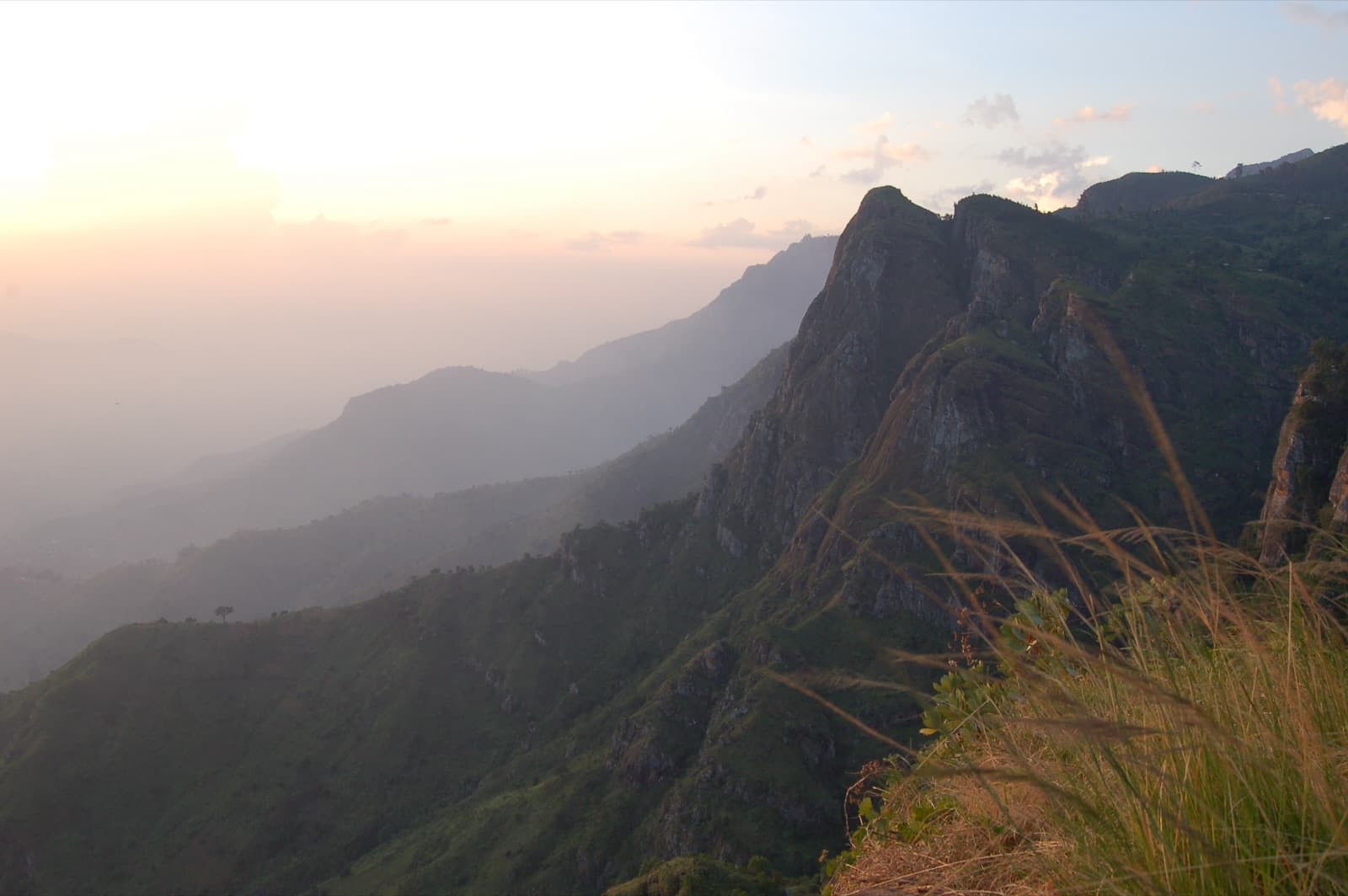
The Usambara Mountains are Tanzania's finest hiking destination — a cloud-forest range in the northeast rising to 2,440 metres above the coastal lowlands, laced with trails connecting traditional villages, viewpoints, and some of the most biodiverse forest in East Africa. The Usambaras are the original home of the African violet (Saintpaulia), discovered here in 1892 and now one of the world's most popular houseplants. The range hosts over 2,850 plant species (including 13 endemic to the East Usambaras alone), 340 bird species, and rare primates such as the Usambara colobus. All of this is accessible via well-maintained walking trails from the market town of Lushoto. This guide covers the best Lushoto hiking routes, multi-day trekking options, the Irente Viewpoint and Farm, transport, costs, and practical planning tips.

Getting Started

Beginner Guide

What makes the Usambara Mountains special?

The Usambaras are part of the Eastern Arc Mountains — one of the world's 25 biodiversity hotspots, with levels of endemism comparable to the Galápagos. The range has been isolated by surrounding lowlands for millions of years, allowing species to evolve in isolation. This is why a relatively small area (90km long, 50km wide) contains such extraordinary diversity.

The hiking infrastructure is excellent for Tanzania. Lushoto town has well-established guesthouses, local guides, and a network of marked trails that make independent hiking possible — though hiring a guide (strongly recommended) enriches every walk enormously.

The mountains are also culturally rich. The Sambaa people have farmed these slopes for centuries. Mbegha, the legendary king who united the Sambaa clans in the 18th century, is still honoured in local oral tradition. Villages you pass through on trails have histories stretching back hundreds of years.

How to get to Lushoto and the Usambara Mountains

From Dar es Salaam: Bus to Mombo junction (4–5 hours, TZS 18,000–25,000), then local dalla-dalla or taxi to Lushoto (45 min, TZS 3,000–5,000). Alternatively, direct Dar–Lushoto buses run on some days (check SCANDINAVIAN, Dar Express — not all companies serve Lushoto directly).

From Moshi/Arusha: Bus to Mombo (2–3 hours from Moshi, 3–4 from Arusha), then onward to Lushoto. Total journey 4–5 hours.

From Tanga: 2–3 hours by bus or shared taxi to Mombo, then up the escarpment to Lushoto.

Self-drive: The Mombo–Lushoto road is paved and well-maintained. Any vehicle can manage it in dry season. In heavy rains, a 4WD is safer for side tracks and village trails.

Best time to visit the Usambara Mountains

June–October (dry season): Best hiking conditions. Clear skies, dry trails, cool temperatures (15–20°C). The forests are green year-round due to cloud and mist, so dry season doesn't mean brown landscape.

November–December: Short rains. Trails become muddy but the forest is lush and bird activity peaks. A good time for experienced hikers comfortable with wet conditions.

January–February: Warm and mostly dry. Good hiking conditions with lower visitor numbers than June–October.

March–May: Long rains. Heavy rainfall, muddy trails, potential road issues. Some guesthouses close. Not recommended unless you specifically want solitude and lower prices.

Best hiking routes from Lushoto

Irente Viewpoint (3–4 hours return): The most popular walk — 7km from Lushoto to a dramatic escarpment viewpoint over the Maasai Plains, 1,500 metres below. On clear mornings (arrive by 8:00) you can see to Kilimanjaro (200km away). Irente Farm at the viewpoint serves excellent cheese, yoghurt, and lunch ($5–10). Can be done independently but a guide ($10–15) adds context.

Irente to Moto Village (full day, 15km): Extension from Irente through montane forest and village farms. Bird-watching is exceptional — green barbet, Usambara weaver, and long-billed tailorbird are all possible.

Lushoto to Mtae (3–4 days, 60km): The classic Usambara multi-day trek. From Lushoto north through the mountains to Mtae, the highest accessible village (2,085m) with views into Kenya on clear days. Overnight in village guesthouses or basic campsites. This is East Africa's best accessible multi-day walking route. Cost: $30–50/day including guide, accommodation, and meals.

Mazumbai Forest Reserve: 40km northwest of Lushoto, this University of Copenhagen research forest is one of the best birding sites in East Africa. Access requires advance permission and a guide. Worth the effort for serious birders — over 340 species recorded.

Shume Forest: Ancient montane cloud forest 8km from Lushoto. The forest floor is carpeted with African violets (October–February) in their native habitat — one of the world's most extraordinary horticultural experiences. Half-day walk with guide.

African violets in the Usambara Mountains

The African violet (Saintpaulia ionantha and related species) was first collected from the Usambara Mountains in 1892 by Walter von Saint Paul-Illaire, a German colonial administrator. He sent seeds to his father in Germany, who grew them to flowering and submitted them to botanical gardens — and the plant's global horticultural career began.

There are now 20+ Saintpaulia species, most native to the Eastern Arc Mountains. Their natural habitat — damp rock crevices and stream banks in montane forest — can be seen at Shume Forest. The plants are easy to find with a local guide who knows the specific microhabitats.

Budget Planning

Costs

How much does hiking in the Usambara Mountains cost in 2025/2026?

The Usambaras are among Tanzania's most affordable destinations. No national park fees apply (most hiking is in forest reserves or through private land with community fees).

Guide fees:

  • Half-day walk (Irente): $10–15
  • Full-day walk: $15–25
  • Multi-day Lushoto–Mtae trek: $25–40/day (guide + accommodation arrangement)

Accommodation in Lushoto:

  • Budget guesthouses: TZS 20,000–40,000 ($8–$16/night)
  • Mid-range lodges (Lawn's Hotel, White House): $40–80/night
  • Irente Farm (viewpoint accommodation): $60–100/night (meals included, excellent)

Village guesthouses (Mtae trek): TZS 15,000–25,000/night ($6–$10), meals extra TZS 5,000–8,000

Meals in Lushoto:

  • Local restaurant: TZS 4,000–8,000 ($1.50–$3)
  • Mid-range: TZS 12,000–20,000 ($5–$8)
  • Irente Farm cheese and lunch: $5–10

Total per-person cost estimates

StylePer day4-day trip
Budget (guesthouse + local guide)$25–40$100–160
Mid-range (lodge + full-day guide)$60–100$240–400
Lushoto–Mtae trek (all-in)$50–80$200–320

What is usually extra

  • Transport to/from Mombo or Tanga: $8–20
  • Forest reserve entry fees where applicable: $5–10/day
  • Meals at Irente Farm: $5–10
  • Tips for guide: recommended $5–10/day

Travel Advice

Travel Tips

Practical tips for hiking the Usambara Mountains

  • Always hire a local guide. Beyond safety, the Sambaa guides know paths that aren't on any map, can communicate with village homeowners for water stops, and provide cultural context that transforms a walk into an experience. $15–25/day is money extremely well spent.
  • Start early. Mornings at Irente Viewpoint are clear; cloud builds by 10:00. For views and photography, aim to arrive at viewpoints before 9:00.
  • Pack layers. The Usambaras are cool year-round and cloud and mist are frequent at altitude. A fleece and waterproof jacket are essential even in dry season.
  • Bring water treatment. Stream water is available on longer routes but should be filtered or treated. A Lifestraw or iodine tablets are cheap insurance.
  • Don't rush Lushoto–Mtae. The classic trek is 4 days minimum to allow time for detours, village visits, and unhurried walking. Trying to do it in 2 days means you'll miss the best bits.
  • Book Irente Farm in advance. Their cheese lunches are popular and they sometimes run out. WhatsApp ahead if visiting on weekends.
  • Exchange money before arriving. Lushoto has limited ATM options. Bring TZS from Moshi or Tanga.

Frequently asked questions about the Usambara Mountains

How hard is the Lushoto to Mtae hike? Moderately challenging — daily distances of 12–18km with 300–600m elevation change per day. Good fitness required but no technical climbing. Trail conditions are the main variable: dry season trails are straightforward; wet season sections can be slippery. Any reasonably fit adult who hikes regularly can complete this route.

Where are African violets native to? African violets (Saintpaulia species) are native to the Eastern Arc Mountains — primarily the Usambara and Nguru ranges in Tanzania and a few sites in Kenya. The specific discovery site is the West Usambaras around Lushoto. Seeing them in their natural habitat (damp rock faces in cloud forest) is a memorable experience for any gardener.

What birds can I see in the Usambara Mountains? Over 340 species recorded. Usambara endemics or specialities include: Usambara weaver, long-billed tailorbird, Usambara akalat, Usambara eagle-owl, and African violet sunbird. The Mazumbai and Shume forests are the best sites. Bring a field guide to East African birds.

Is it possible to hike the Usambaras without a guide? Yes, the Irente Viewpoint trail (7km) has reasonable marking and is done independently by experienced hikers. For all other routes, including the Lushoto–Mtae trek, a guide is strongly recommended — trails branch constantly and signs are inconsistent. Getting lost on multi-day routes is a real risk.

What is the difference between East and West Usambara Mountains? The West Usambaras (around Lushoto) are more accessible and have better hiking infrastructure. The East Usambaras (around Amani) are wilder, wetter, and have exceptional endemism but require more planning to access. Amani Nature Reserve in the East Usambaras has its own guide network and is excellent for birding and botanical walks.

Ready to book?

Browse verified Tanzania operators running trips to Usambara Mountains.

Browse operators →