Tanzania Safari in May 2026: What to Expect
Planning6 min read·

Tanzania Safari in May 2026: What to Expect

Tanzania safari in May: long rains continue, deepest discounts of the year, parks empty. Honest guide for travellers considering green-season value.

SE

By Safarani editorial team

Last fact-checked 27 May 2026

May is the second half of the long rains and the deepest green-season window. Tanzania is at its emptiest and cheapest. Some lodges remain closed; those that operate run 40–50% below peak rates. Like April, May rewards experienced safari-goers who prioritise solitude, photography, and value over guaranteed game-viewing.

Weather in May

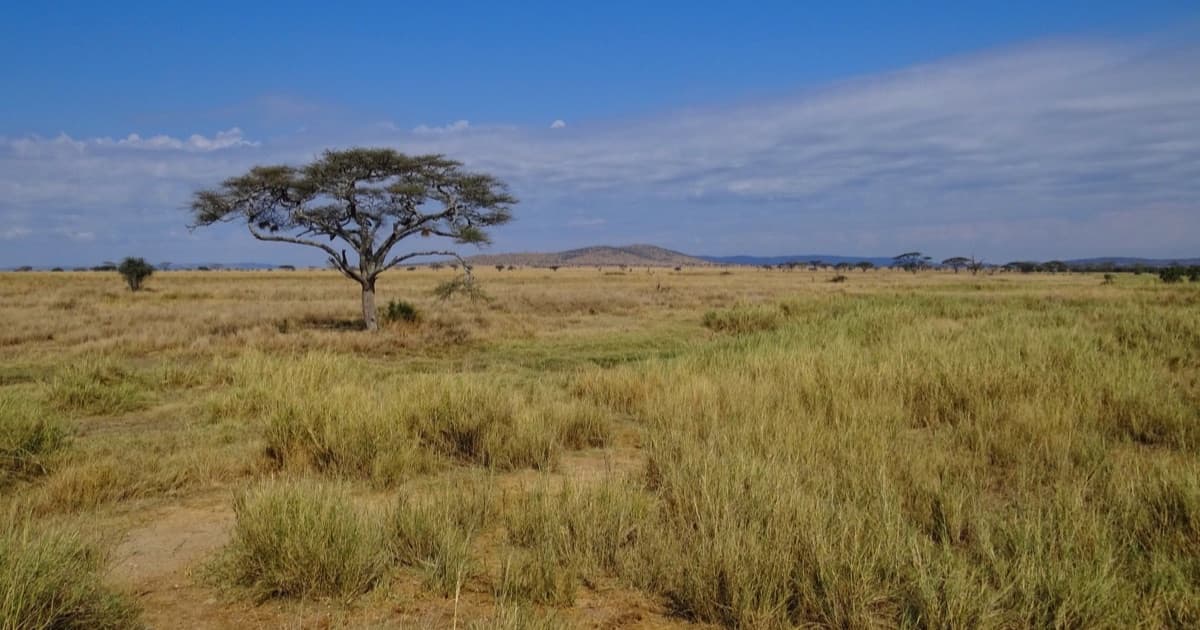
May is wet, especially early in the month. Rainfall tapers from mid-May onwards, and by month-end most of northern Tanzania is approaching dry-season conditions. Temperatures are mild — 22–26°C (72–79°F) — and skies can be dramatic with stormy afternoon light.

The south (Ruaha, Nyerere) dries out earlier than the north. Coastal areas including Zanzibar are often wet through May.

Wildlife in May

The Great Migration is moving through the central and western Serengeti. Bull wildebeest concentrate ahead of the female herds. Predator action remains strong on short grass.

Late May (after 20 May) is when many travellers consider the green-season risk worthwhile — the rains taper, the parks remain near-empty, and lodge prices haven't yet jumped to dry-season rates.

Birding is at its absolute peak. Lake Manyara's flamingos are at maximum numbers. Tarangire's bird life is exceptional.

Best parks for May

  • Lake Manyara — birds, flamingos, dramatic green scenery
  • Tarangire — birding peak, fewer elephants than dry season but still active
  • Mahale Mountains — chimps in green forest, near-empty
  • Ruaha — drying out, excellent late-May game
  • Ngorongoro Crater — productive year-round

Crowds and costs

May is the second-cheapest month after April. Prices are 40–50% below peak August. Some lodges run stay-and-pay promotions; others remain closed for the long rains.

Crowds are minimal. The Serengeti's central and western corridors see very few vehicles. This is the closest Tanzania comes to feeling like a private reserve.

What to pack

Standard safari kit plus full rain protection: waterproof jacket and pants, dry-bags, quick-dry clothing. Light fleece for cooler evenings. Insect repellent.

When does May become "worth it"?

Travellers who book the last 10 days of May often catch the transition into dry season — rains tapering, herds moving toward the Western Corridor, and significantly cheaper prices than June equivalents. For travellers who can be flexible by 2–3 weeks, late May can outperform early June on value.

Typical May safari costs

TierPer person per day5-day total
Budget$150–220$750–1,100
Mid-range$250–400$1,250–2,000
Luxury (where open)$500–900$2,500–4,500

May matches April for value — 40–50% below peak August rates. Late May (20–31) sometimes offers shoulder-season pricing as operators bring rates back up before June.

Park entry fees stay fixed at standard rates.

May-specific tips

Aim for late May. The last 10 days often deliver dry-season-quality wildlife at green-season prices. Rains taper, the central Serengeti dries out, and some camps reopen ahead of June.

Verify lodge operating dates. Several premium Serengeti camps close in April and May. Confirm exact dates before booking. Mid-range and budget camps generally stay open year-round.

Combine with Zanzibar selectively. Zanzibar is wet through May. If beach time is important, push the Zanzibar leg to early June.

Bring proper rain gear. Wet days are not unusual through May. A reliable waterproof jacket is essential.

Get a real quote from a verified operator

Browse verified Tanzania operators across the Northern and Southern circuits. Message them directly via WhatsApp — no booking fees.

Browse operators →

Frequently asked

Is May a good time for a Tanzania safari?
May offers deep discounts and near-empty parks, but the long rains continue. Early May is genuinely wet; late May (after 20 May) often transitions to dry-season-quality wildlife at green-season prices. Suits experienced safari-goers and value-seekers, not first-timers wanting guaranteed weather.
When does the dry season start in Tanzania?
The dry season formally begins in June, but the transition starts in late May. The last 10 days of May often see rains taper, roads dry out, and wildlife concentrate around remaining water sources. This makes late May a strong value window.
Are camps closed in May?
Some are. Several premium Serengeti tented camps close in April and May for the long rains and reopen in June. Most mid-range and budget operators stay open year-round. Always confirm specific lodge operating dates when booking.
Is May good for birding in Tanzania?
Excellent. Migrant species are still present from Europe and the Middle East. Resident birds are in breeding plumage. Lake Manyara flamingo numbers peak. May is one of the best birding months of the year.
Last updated · 27 May 2026. Verified by the Safarani editorial team.
Spot something wrong? Tell us →
All guides →