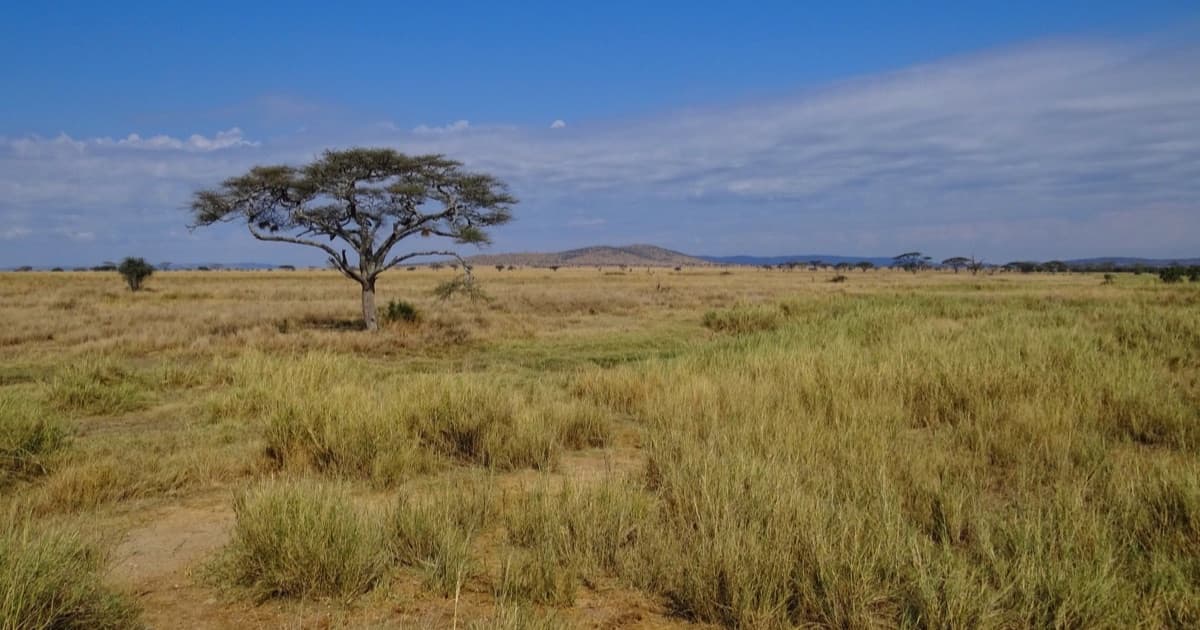
Family Safari in Tanzania With Kids (2026 Guide)
Planning8 min read·

Family Safari in Tanzania With Kids (2026 Guide)

Planning a Tanzania family safari with kids? Minimum ages, malaria and safety, the best parks for children, costs, and why a private guide and vehicle change everything.

SE

By Safarani editorial team

Last fact-checked 6 September 2026

Tanzania is one of the best places in the world to take children on safari — but the trip you would plan for two adults is not the trip you should plan for a family. The things that decide whether kids love it or endure it are **the ages you travel at, a private vehicle and guide, shorter game drives, malaria precautions, and a beach finish to break up the bush**. Get those right and a family safari lands somewhere between a wildlife documentary come to life and the best geography lesson your children will ever have. This guide covers the practical decisions, park by park, plus what it actually costs.

What age should kids be for a Tanzania safari?

There is no legal minimum, but there is a practical one. Most responsible operators treat age 5–6 as the floor for open-vehicle safaris, and 8–10 as the age children genuinely engage rather than tolerate long drives.

  • Under 5: possible on a private-vehicle trip with a patient plan, but long game drives test short attention spans and nap schedules. Many premium camps set a minimum age of 6, 8 or even 12 for shared vehicles and walking activities.
  • 5–8: great on a private vehicle where you control the pace and can turn back when energy dips. Ngorongoro and Tarangire suit this age best (see below).
  • 8–12: the sweet spot — old enough for full game-drive days, junior-ranger programmes, and remembering it forever.
  • Teens: everything opens up, including some walking safaris (often minimum age 16) and more remote camps.

The single biggest lever is a private vehicle and guide. Shared group departures run on a fixed schedule; a private vehicle lets you shorten drives, chase what the kids are excited about, and build in downtime. For families it is close to non-negotiable.

Malaria, vaccines and safety

Safari itself is very safe with a good guide. The health planning is the part parents should not shortcut.

  • Malaria: transmission occurs across most of Tanzania below about 1,800 m. Everyone, including children, should take antimalarial prophylaxis — Malarone is the commonly prescribed paediatric option, but your travel doctor decides dosing by weight. Pack repellent (DEET or picaridin), long sleeves at dusk, and use the bed nets provided.
  • Higher-elevation parks carry lower risk. The Ngorongoro Crater rim and highlands sit above ~2,200 m, so mosquito exposure is materially lower there than in the lower parks — a genuine consideration for families with young children.
  • Vaccines: a yellow fever certificate is required if you are arriving from or transiting a yellow-fever country (including many that a Zanzibar-bound family might route through) — check your exact routing. Confirm routine childhood vaccinations are current.
  • Sun and hydration: the equatorial sun is strong; hats, high-SPF sunscreen and water in the vehicle are daily essentials.

Always confirm current requirements with a travel clinic 6–8 weeks before departure.

The best parks for families

Not all of the northern circuit is equally kid-friendly. Ranked for families:

  1. Tarangire National Park — big, easy-to-spot elephant herds, baobab trees kids remember, and relatively short drives. One of the two best parks for children under 8. See Tarangire.
  2. Ngorongoro Crater — the Big Five in a single, contained crater floor, so a huge payoff in one game-drive day without hours of searching. Higher elevation means lower malaria risk. See Ngorongoro and Serengeti vs Ngorongoro.
  3. Lake Manyara — compact, shady, tree-climbing lions and huge birdlife; an easy half-day that suits younger kids. See Lake Manyara.
  4. Serengeti (central) — the Great Migration and predator action are worth the longer drives for ages 8+. Base in the central Seronera area to cut transfer times. See Serengeti and the Migration guide.

A classic family northern-circuit route strings Tarangire → Ngorongoro → Serengeti; our 7-Day Northern Circuit is a good template to adapt with a private vehicle.

Bush and beach — why families should add Zanzibar

The most reliable family formula is 4–5 days of safari, then 3–4 days on Zanzibar. After several early starts and long drives, a beach with a pool, warm shallow water and no schedule is exactly what children (and parents) need. Zanzibar is a short fly-in from the Serengeti or Kilimanjaro, which is why bush-and-beach is easier to build in Tanzania than in most safari countries. See our 3-day Zanzibar beach add-on and combine it with a northern-circuit safari.

How long should a family safari be?

  • Minimum viable: 4 days safari (Tarangire, Ngorongoro, one more) — enough for the highlights without exhausting young kids.
  • Recommended: 7–10 days total, split bush-and-beach. This is the balance most family operators recommend.
  • Full trip: 10–14 days if you are adding the Serengeti properly plus a longer beach stay — our 14-Day Full Tanzania shows the shape.

Choosing a family operator

Look for an operator that: offers a private vehicle and guide as standard for families, has guides experienced with children (pacing, explaining, patience), can advise on family rooms or adjoining tents, and is transparent about camp minimum-age policies before you book. Every operator on Safarani is screened for a valid TALA licence; read how to choose an operator, then message a shortlist directly on the operators page.

Family safaris cost more per group but often less per person than a couple's trip, because the private-vehicle cost is shared across more people and children's rates apply.

TierPer person / dayNotes
Mid-range familyUS$350–600Comfortable lodges, private vehicle, family rooms
Upper-mid / premiumUS$600–1,000Family-focused camps, junior-ranger programmes
LuxuryUS$1,000–1,800+Exclusive-use options, private guide throughout

For a 7–10 day bush-and-beach trip, budget roughly US$3,500–6,500 per person at the mid-to-premium tier. Key family-specific line items:

  • Private vehicle and guide — the surcharge is the best money you will spend; it is shared across the family.
  • Children's rates — many lodges offer reduced or free rates for under-12s sharing with parents; ask.
  • Park fees — Tanzania charges reduced child rates (typically ages 5–15) at most parks; under-5s are often free.

Model your exact trip with the safari cost calculator, or see the full 2026 cost guide.

  • Book a private vehicle and guide. For families it is the difference between a great trip and a stressful one — you control the pace and can cut a drive short.
  • Travel at the right age. 5–6 is the practical floor; 8–12 is the sweet spot. Check each camp's minimum-age policy before booking.
  • Do malaria properly. See a travel doctor 6–8 weeks out for weight-based antimalarials for the kids; favour higher-elevation Ngorongoro for the youngest children.
  • Keep drives short early on. Start with Tarangire, Ngorongoro and Lake Manyara before committing to the Serengeti's longer days.
  • Always add a beach. Finish on Zanzibar so the trip ends on downtime, not another 5 a.m. start.
  • Pack for kids: binoculars each (sharing causes fights), a wildlife checklist or sticker book, layers for cold crater mornings, and snacks in the vehicle.

Get a real quote from a verified operator

Browse verified Tanzania operators across the Northern and Southern circuits. Message them directly via WhatsApp — no booking fees.

Browse operators →

Frequently asked

What is the minimum age for a safari in Tanzania?
There is no legal minimum, but most operators treat age 5–6 as the practical floor for open-vehicle safaris, and 8–10 as the age children truly engage. Many premium camps set their own minimum of 6, 8 or 12 for shared vehicles and walking activities. A private vehicle and guide makes travelling with younger children much easier because you control the pace.
Is a Tanzania safari safe for children with malaria risk?
Yes, with proper precautions. Malaria is present across most of Tanzania below about 1,800 m, so all family members should take antimalarial prophylaxis prescribed by a travel doctor (dosed by weight for children), plus repellent and bed nets. The higher-elevation Ngorongoro highlands carry materially lower mosquito risk, which is why they suit families with very young kids.
Which Tanzania parks are best for kids?
Tarangire (easy elephant sightings, short drives) and the Ngorongoro Crater (Big Five in one contained area, higher elevation, lower malaria risk) are the two best for children under 8. Lake Manyara is a good compact half-day. The Serengeti is worth the longer drives for ages 8 and up, especially for the Great Migration.
How long should a family safari be?
A minimum of about 4 safari days covers the highlights without exhausting young children. Most family operators recommend 7–10 days total, split into roughly 4–5 days of safari followed by 3–4 days on Zanzibar so the trip ends with downtime rather than another early start.
How much does a family safari in Tanzania cost?
Budget roughly US$3,500–6,500 per person for a 7–10 day bush-and-beach trip at the mid-to-premium tier. Families often pay less per person than couples because the private-vehicle cost is shared, and many lodges offer reduced or free rates for under-12s sharing with parents. Tanzania also charges reduced child park fees, with under-5s often free.
Last updated · 6 September 2026. Verified by the Safarani editorial team.
Spot something wrong? Tell us →
All guides →