Tanzania Safari in April 2026: What to Expect
Planning6 min read·

Tanzania Safari in April 2026: What to Expect

Tanzania safari in April: the long rains peak, lodges discount 30–50%, parks almost empty. April is for experienced safari-goers who want solitude and value.

SE

By Safarani editorial team

Last fact-checked 27 May 2026

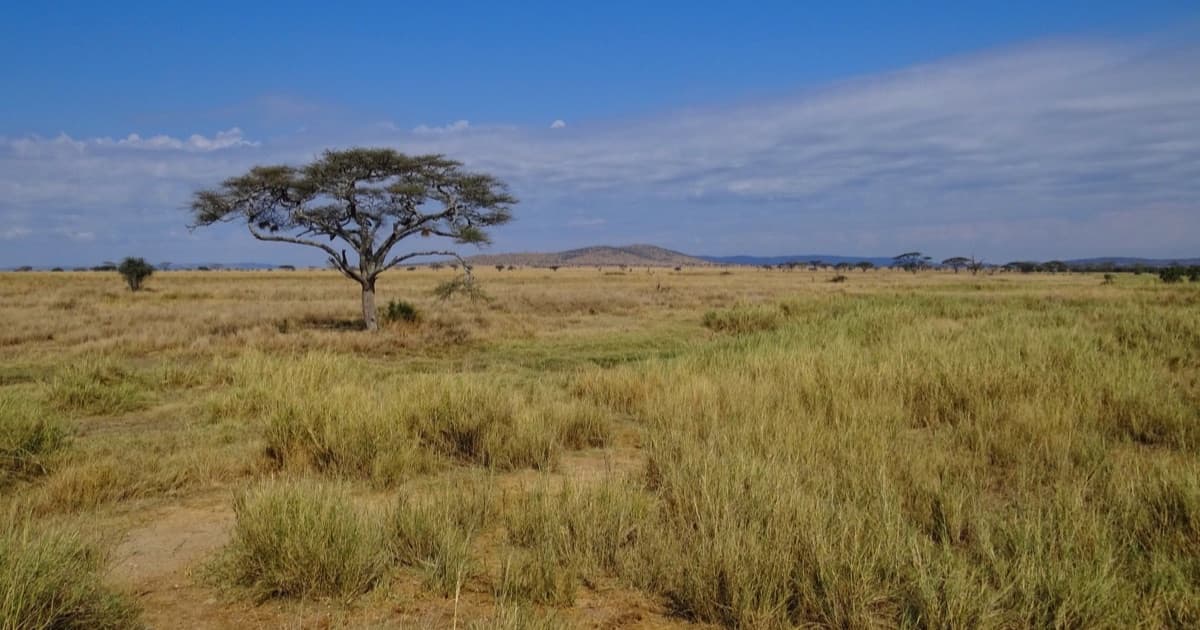
April is Tanzania's wettest month, and the green-season discount is the steepest of the year. Lodges drop rates by 30–50%, the parks are near-empty, and the landscape is at its most photographic. April is not for first-timers — but for travellers who've done a safari before, want solitude, and don't mind a wet vehicle, it delivers the best value of any month in Tanzania.

Weather in April

April is the wettest month in northern Tanzania. Daily rainfall, often in heavy afternoon thunderstorms. Temperatures stay warm — 25–28°C (77–82°F) in the parks — but humidity is high.

Mornings are often clear. Afternoon downpours can be intense. Roads in the Serengeti's western and central corridors get muddy and some tracks become impassable. The southern parks (Ruaha, Nyerere) generally have less rain but are still affected.

Wildlife in April

Animals are still there — they don't migrate out of Tanzania during the rains. The Great Migration is moving north and west across the central Serengeti. Predator action continues, especially for lion and leopard that hunt openly on short rain-flushed grass.

April is exceptional for:

  • Birding — over 200 migrant species pass through, plus all resident birds in breeding plumage
  • Photography — green landscapes, dramatic stormy skies, clean light between showers
  • Chimpanzees — Mahale and Gombe are excellent in April; chimps are active in any weather and camps are empty

For game-driving in the Serengeti, April requires patience. Sightings happen but require more searching than dry-season equivalents.

Best parks for April

  • Mahale Mountains — chimpanzee trekking is best in green season, near-empty
  • Gombe — same logic as Mahale
  • Ruaha — drier than the north, almost no tourists
  • Lake Manyara — birding peak, full lake, dramatic Rift Valley scenery
  • Ngorongoro Crater — accessible year-round, often misty but productive

Many high-end Serengeti camps close in April for the rains. Verify operating dates when booking.

Crowds and costs

April is one of the quietest months. Some camps run at 20–30% occupancy. The Mara River crossings haven't started; the calving season is over; tourist volume is at its annual low.

Prices reflect this: 30–50% off peak rates. Some properties offer "stay 4, pay 3" or "stay 7, pay 5" promotions in April specifically. Mid-range camps that charge $400/night in August drop to $200–250/night in April.

What to pack

Heavy-duty rain protection: waterproof jacket and pants, waterproof shoes, dry-bags for all camera gear. Quick-dry shirts and pants. Insect repellent with DEET. A small umbrella for camp use.

Who should go in April?

April suits: experienced safari-goers who want green-season pricing and solitude, photographers who value dramatic landscapes, birders, chimpanzee-focused travellers.

April does not suit: first-timers, travellers with rigid itineraries, anyone who wants to see the Mara River crossings, or families with young children.

Typical April safari costs

TierPer person per day5-day total
Budget$150–220$750–1,100
Mid-range$250–400$1,250–2,000
Luxury (where open)$500–900$2,500–4,500

April prices are 30–50% below August equivalents. Many lodges run additional promotions: stay 4 pay 3, complimentary upgrades, free transfers.

Park fees stay fixed at standard rates regardless of season.

April-specific tips

Don't book a fixed itinerary. Rain-affected roads mean your operator may need to change route mid-trip. Choose operators who handle this well — TALA-verified operators with their own vehicles and contingency plans.

Focus on chimps or south. Mahale, Gombe, and Ruaha are excellent in April. The northern Serengeti is the riskiest in terms of road conditions.

Negotiate. April is the only month where genuine price negotiation works with mid-tier operators. Ask directly about green-season discounts.

Pack lightly but waterproof everything. Wet clothes don't dry well in 80%+ humidity. Pack quick-dry fabrics and waterproof everything in dry-bags.

Insect repellent is critical. Mosquito activity peaks in the rains. Confirm anti-malarial prophylaxis with your GP before travel.

Get a real quote from a verified operator

Browse verified Tanzania operators across the Northern and Southern circuits. Message them directly via WhatsApp — no booking fees.

Browse operators →

Frequently asked

Is April a good time for a Tanzania safari?
April suits experienced safari-goers who want solitude and green-season prices. First-timers should pick another month — the long rains affect roads and game-viewing requires more patience. For chimpanzee treks or southern parks, April is genuinely excellent.
Does it rain all day in Tanzania in April?
Not usually — rain typically falls in concentrated afternoon thunderstorms. Mornings are often clear. The bigger issue is road condition, not rain during drives. Plan morning game drives and allow buffer time for weather.
Are safaris cheaper in April?
Yes — 30–50% cheaper than peak August rates. Some properties offer "stay 4 pay 3" promotions on top. April is the cheapest month for accommodation, though some high-end Serengeti camps close entirely for the rains.
Can you see the Great Migration in April?
Yes, but it requires effort. The herds are moving north through the central Serengeti. Predator action continues. Road conditions make some areas hard to reach. For migration-focused travellers, July–October is far easier.
Last updated · 27 May 2026. Verified by the Safarani editorial team.
Spot something wrong? Tell us →
All guides →