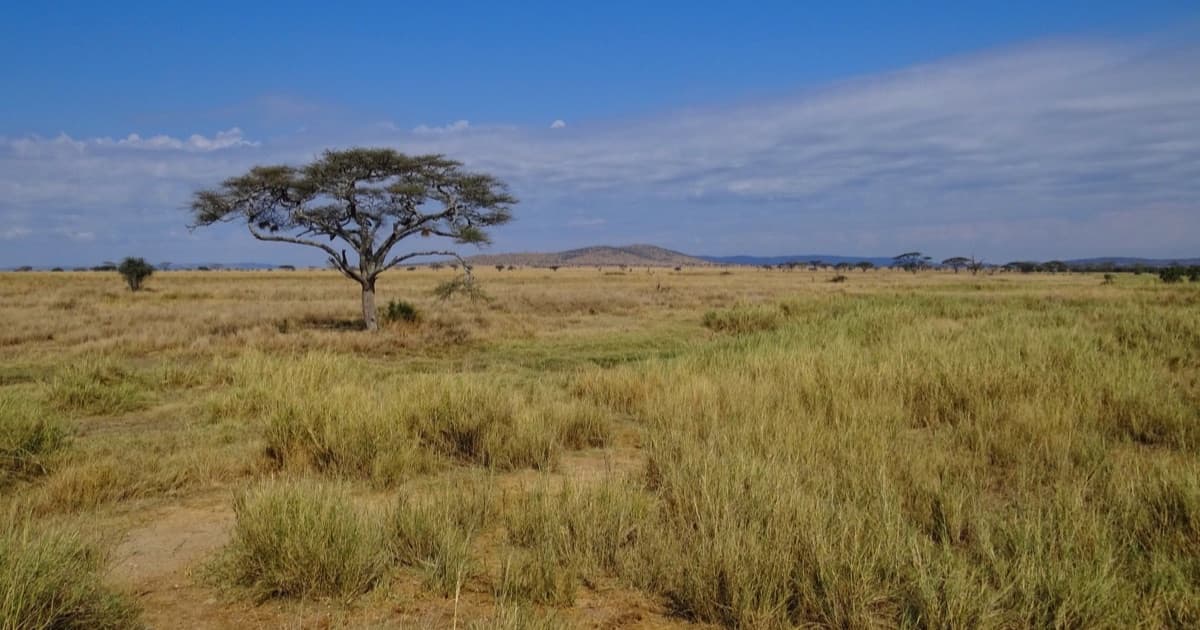
Tanzania Safari in July 2026: What to Expect
Planning6 min read·

Tanzania Safari in July 2026: What to Expect

Tanzania safari in July: peak dry season, Migration moving north toward Mara River crossings, lodges fill up fast. Book 4–6 months ahead.

SE

By Safarani editorial team

Last fact-checked 27 May 2026

July is when Tanzania's peak season hits in full. The Great Migration crosses from the Western Corridor into the northern Serengeti, and by late July the first Mara River crossings begin. Lodges fill up, prices reach peak, and the experience is genuinely exceptional. Book 4–6 months ahead — July is the month most experienced operators consider their busiest.

Weather in July

July is the coldest month of the dry season. Daytime temperatures sit at 22–25°C (72–77°F) in the parks. Early mornings at altitude are properly cold — Ngorongoro Crater drives can start at 5–8°C. Days are bright, dry, and stable.

The cold mornings are a feature, not a bug — wildlife is active longer into the morning when it's cool.

Wildlife in July

The Great Migration moves into the northern Serengeti through July. The first Mara River crossings begin in mid-to-late July, depending on rainfall in the Masai Mara to the north.

The herd density along the Mara region is staggering — over a million wildebeest, plus zebra and gazelle, concentrated in a relatively small area. Predator activity is intense: lion prides hunt the river-crossing herds, leopards stalk the riverine forest, crocodiles wait in the water.

Other parks: Tarangire elephants are gathering — 200–300 in a single herd is common. Ruaha and Nyerere are at peak dry-season game viewing with almost no crowds compared to the Serengeti.

Best parks for July

  • Northern Serengeti / Mara region — for the migration crossings (after 15 July typically)
  • Western Serengeti corridor — still active early in the month
  • Tarangire — elephant herds building
  • Ngorongoro Crater — Big Five reliable
  • Ruaha — peak dry-season game, no crowds

Crowds and costs

July is peak season. The Mara region has heavy vehicle traffic — at major crossing points you may share the moment with 30–80 other vehicles. Camp occupancy hits 90%+ at most properties from 15 July onwards.

Prices reflect this. Lodges that charge $300/night in green season hit $500–700/night in July. Some camps add a peak-season surcharge.

For migration-focused travellers, the cost is worth it — but book early.

What to pack

Warm layers for cold mornings — fleece, beanie, gloves. Lightweight clothing in neutral colours for daytime. Brimmed hat, high-SPF sunscreen, sunglasses, binoculars, and a long camera lens (200–400mm minimum) for crossing photography. Closed walking shoes.

Booking lead time

For July, book by January or February at the latest. The best mobile camps in the Mara region sell out 6–12 months ahead. Mid-range fixed camps are typically still available 3–4 months out but at peak rates. Last-minute July bookings are rarely good value.

Typical July safari costs

TierPer person per day5-day total
Budget$280–380$1,400–1,900
Mid-range$450–700$2,250–3,500
Luxury / mobile camps$900–1,500$4,500–7,500

July is peak — 25–40% above green-season equivalents. Premium mobile camps in the Mara region command the highest premium.

Park fees are unchanged: Serengeti $83, Ngorongoro $82 + $295 vehicle, Tarangire $53.

July-specific tips

Book 6+ months out for the Mara region. The best camps for migration crossings sell out earlier than any other product in Tanzania. If you're booking July less than 4 months ahead, expect reduced choice and higher prices.

Allow 3+ nights in the Mara region. Crossings are unpredictable. One or two nights gives you a 30–40% chance of seeing one; three nights pushes it to 70–80%.

Bring serious cold-weather kit for mornings. Most first-timers under-pack warm layers. Fleece, beanie, gloves, warm socks — pack them.

Consider a fly-in. July driving distances are long and roads in the Mara region are slow. A fly-in safari (Arusha to Kogatende airstrip) saves a full day each way and lets you focus on game time.

Get a real quote from a verified operator

Browse verified Tanzania operators across the Northern and Southern circuits. Message them directly via WhatsApp — no booking fees.

Browse operators →

Frequently asked

Is July the best month for Tanzania safari?
For Mara River crossings specifically, July through September is the window. For overall safari quality, July is excellent but August and September often deliver stronger crossings. For first-timers wanting a balance of wildlife and value, June or October may suit better.
When do Mara River crossings start in 2026?
The first crossings typically begin in mid-to-late July, depending on rainfall in the Masai Mara to the north. By August, crossings are well established and continue through September. Exact timing is impossible to predict — it depends on grass conditions north of the river.
How busy is the Serengeti in July?
Very busy in the Mara region — major crossing points can see 30–80 vehicles. Central Serengeti (Seronera) sees moderate traffic. The Western Corridor and southern Serengeti are much quieter. Crowds are at near-peak through July and August.
How far ahead should I book a July safari?
Six months minimum for premium camps in the Mara region. Three to four months for mid-range. Last-minute July bookings (under 8 weeks) typically have limited options and higher prices.
Last updated · 27 May 2026. Verified by the Safarani editorial team.
Spot something wrong? Tell us →
All guides →