Tanzania Safari in June 2026: What to Expect
Planning6 min read·

Tanzania Safari in June 2026: What to Expect

Tanzania safari in June: the dry season begins, migration moves through the Western Corridor, prices still shoulder-tier. Sweet-spot month before July peak.

SE

By Safarani editorial team

Last fact-checked 27 May 2026

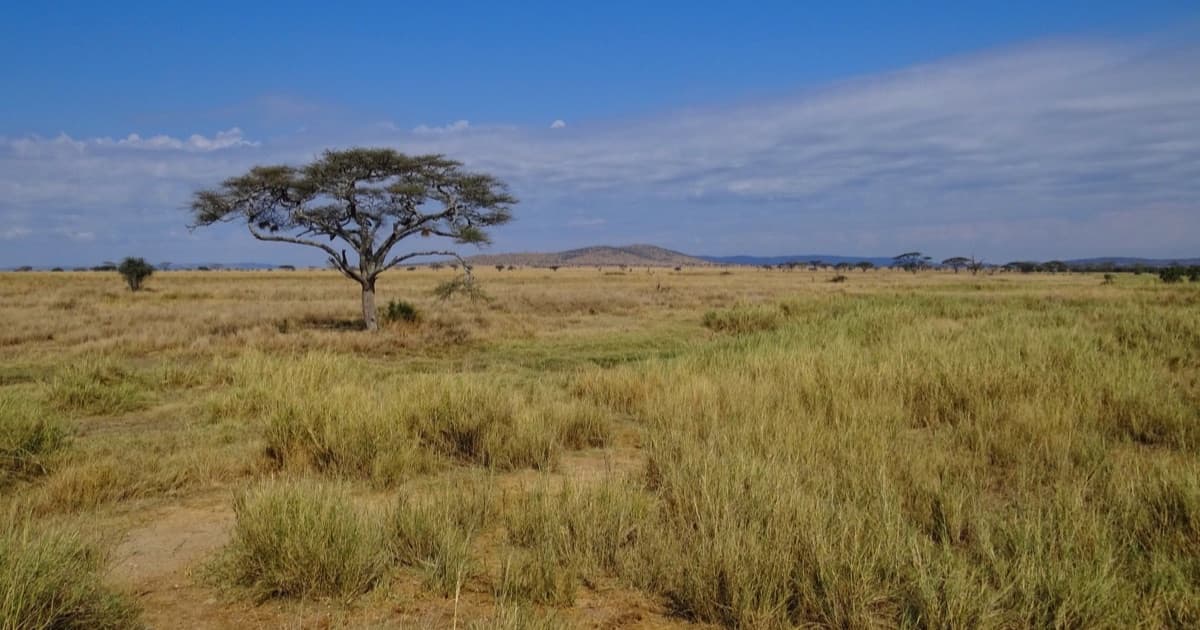
June is the start of Tanzania's dry season — and one of the best-value months before the July–August peak. The grass drops, the Migration moves through the Serengeti's Western Corridor with Grumeti River crossings, and lodges are at shoulder-season prices. Most first-timers who can travel any dry-season month should consider June seriously.

Weather in June

June is dry and mild. Daytime temperatures hit 24–27°C (75–81°F) in the parks, dropping to 12–15°C overnight. Ngorongoro Crater mornings are cold — fleece essential. Skies are clear; afternoon showers are rare.

This is the most stable weather pattern of the year. Visibility is excellent for game-viewing and photography.

Wildlife in June

The dry season transformation accelerates. Grass drops, water sources shrink, and animals concentrate in predictable locations.

The Great Migration enters the Serengeti's Western Corridor and starts moving north. The Grumeti River crossings — less famous than the Mara but equally dramatic — happen in late June and early July. Massive Nile crocodiles wait in the murky water.

Tarangire elephant numbers start climbing as water sources outside the park dry up. Ngorongoro Crater wildlife is consistently excellent. Ruaha and Nyerere in the south enter their peak window.

Best parks for June

  • Serengeti (Western Corridor) — Grumeti River crossings in late June
  • Serengeti (central Seronera) — strong resident game, lions and leopards
  • Tarangire — elephant numbers building toward October peak
  • Ngorongoro Crater — Big Five reliably visible
  • Ruaha and Nyerere — peak season starting, almost no other tourists

Crowds and costs

June is the calm before the July–August storm. Crowds build through the month but stay manageable. Prices are shoulder-tier — 15–25% below August.

The first two weeks of June are particularly good value: dry-season weather, building wildlife, and pre-peak pricing. By the last week of June, prices start climbing toward July rates.

What to pack

Light layers in neutral colours, a warm fleece for cold mornings, brimmed hat, sunscreen, binoculars, and closed shoes. Pack a beanie or buff for very early game drives — Ngorongoro mornings at 2,400m elevation are properly cold in June.

Why June often outperforms August

June delivers dry-season wildlife with 15–25% lower lodge prices and fewer vehicles at each sighting. The trade-off: you miss the Mara River crossings (which start late June to mid-July). If your goal is the Mara crossings specifically, you'll need to come in July–September. For everything else, June is comparable to August at meaningfully better value.

Typical June safari costs

TierPer person per day5-day total
Budget$230–320$1,150–1,600
Mid-range$380–600$1,900–3,000
Luxury$750–1,300$3,750–6,500

June prices are shoulder-tier — typically 15–25% below August. Late June sees prices climb toward July rates.

Park fees remain fixed: Serengeti $83, Ngorongoro $82 + $295 vehicle, Tarangire $53.

June-specific tips

Target the first two weeks. Early June catches dry-season weather and shoulder pricing. By 20 June, lodges start raising rates toward July peak.

Position west for the Grumeti crossings. The Western Corridor is the action zone in late June. Standard central-Serengeti packages will miss it. Confirm with your operator that your camp is in the Grumeti or Western Corridor area.

Bring a warm layer. Ngorongoro mornings are cold in June. Beanie, gloves, and fleece. Many first-timers underestimate this.

Book 3–4 months out. June fills up faster than green season but slower than July–August. Three to four months ahead is reliable.

Get a real quote from a verified operator

Browse verified Tanzania operators across the Northern and Southern circuits. Message them directly via WhatsApp — no booking fees.

Browse operators →

Frequently asked

Is June a good time for a Tanzania safari?
Yes — June is one of the best months. The dry season begins, wildlife concentrates in predictable locations, and prices stay 15–25% below August. The Grumeti River crossings happen in late June. For first-timers, June often delivers better value than August with comparable wildlife.
Where is the Great Migration in June?
The Western Corridor of the Serengeti, moving toward the Grumeti River. The Grumeti crossings start in late June and continue into early July — less famous than the Mara crossings but equally dramatic, with Nile crocodiles in the murky water.
Is June cheaper than August?
Yes — typically 15–25% cheaper for equivalent accommodation. The first two weeks of June offer the deepest discount; late June sees prices climb toward July rates.
How cold is Ngorongoro in June?
Cold. Early morning game drives at 2,400m elevation can be 5–8°C (41–46°F). Bring a fleece, beanie, gloves, and warm socks. By 10am the air warms to comfortable levels.
Last updated · 27 May 2026. Verified by the Safarani editorial team.
Spot something wrong? Tell us →
All guides →