Tanzania Safari in November 2026: What to Expect
Planning6 min read·

Tanzania Safari in November 2026: What to Expect

Tanzania safari in November: short rains arrive, migratory birds flood in, lodges drop to green-season rates. Often the year's lowest prices outside long rains.

SE

By Safarani editorial team

Last fact-checked 27 May 2026

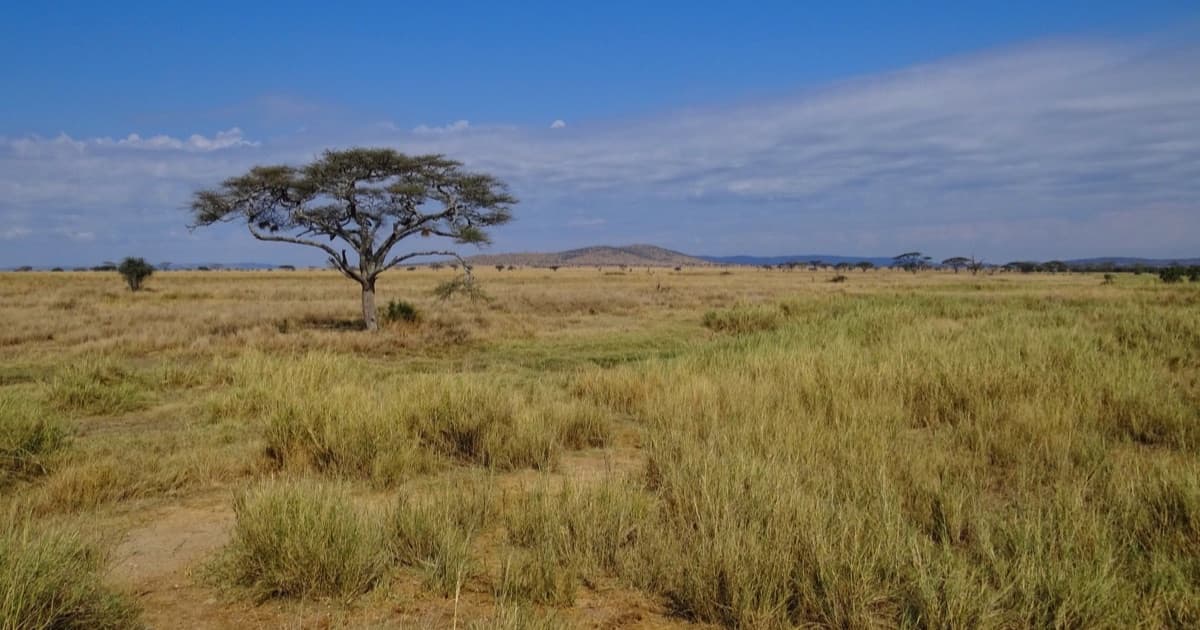
November is when the short rains arrive and the parks empty out. Crowds drop to their lowest levels of the year, lodges discount steeply, and the landscape transforms from dust-brown to green within weeks. Migratory birds flood in from Europe and the Middle East. For travellers who don't mind afternoon showers, November offers some of the best value of any month.

Weather in November

The short rains usually arrive in the second half of November — typically brief afternoon thunderstorms rather than all-day rain. Mornings remain mostly clear. Daytime temperatures sit at 25–28°C (77–82°F).

The first 7–10 days of November are often dry. By month-end, brief afternoon rain is common across the northern parks.

Rain ends quickly and intensely — most game drives can continue around the showers.

Wildlife in November

The Great Migration is moving south through the central Serengeti toward the southern plains for the calving season. Predator activity continues.

Tarangire elephant numbers begin to disperse as water becomes widely available again. Birdlife in Tarangire and Lake Manyara reaches its annual peak — over 200 migrant species flood in from Europe and the Middle East. Many resident birds are in breeding plumage.

Ngorongoro Crater is excellent year-round. Ruaha and Nyerere still relatively dry — they enter their wet season slightly later than the north.

Best parks for November

  • Lake Manyara — peak birding, flamingos, migrants
  • Tarangire — birding peak, elephants dispersing
  • Central Serengeti — herds moving south, predator action
  • Ngorongoro Crater — year-round wildlife
  • Ruaha — still dry, peak game continues

Crowds and costs

November is one of the quietest months. Crowds drop sharply from late October. Lodges typically run at 40–60% occupancy. Some camps that closed in April–May reopen briefly for the migration south.

Prices drop to near-green-season rates — 30–40% below August. The first half of November is the best-value window before any short-rain risk.

What to pack

Standard safari kit plus reliable rain protection: waterproof jacket, dry-bag for camera gear, quick-dry clothing. Light fleece for cooler evenings. Insect repellent — mosquito activity increases as the rains arrive.

When November becomes risky

The last 10 days of November can see prolonged rain, particularly in years when the short rains arrive early. For first-timers, target 1–20 November rather than late month.

Typical November safari costs

TierPer person per day5-day total
Budget$180–250$900–1,250
Mid-range$290–450$1,450–2,250
Luxury$550–950$2,750–4,750

November prices sit at 30–40% below peak August. Early November sometimes catches shoulder rates before dropping to green-season levels.

Park fees are unchanged at standard rates.

November-specific tips

Target the first half of the month. Early November catches dry-weather patterns and lower prices. Late November carries more rain risk.

Stay in the central or southern Serengeti. The herds are moving south. Camps in the northern Serengeti are less productive in November as the migration leaves.

Bring a birding guide. November is the year's best birding month. Even non-birders find the variety striking.

Don't underestimate Tarangire and Manyara. November birdlife in both parks is genuinely exceptional and easy to miss if you focus on game drives only.

Get a real quote from a verified operator

Browse verified Tanzania operators across the Northern and Southern circuits. Message them directly via WhatsApp — no booking fees.

Browse operators →

Frequently asked

Is November a good time for a Tanzania safari?
Early November is excellent value — green-season pricing with shoulder-quality weather and exceptional birding. Late November carries more short-rain risk. For first-timers, target the first two weeks specifically.
When do the short rains start in Tanzania?
The short rains typically arrive in the second half of November and ease by mid-December. They take the form of brief afternoon thunderstorms rather than all-day rain. Mornings remain mostly clear.
Is November good for birding?
Excellent. Over 200 migrant species arrive in November from Europe and the Middle East. Lake Manyara and Tarangire are the standout birding parks. Resident birds are in breeding plumage.
Where is the Great Migration in November?
Moving south through the central Serengeti toward the southern Ndutu plains, where they will spend December through February for the calving season. The exact location depends on rain patterns to the north.
Last updated · 27 May 2026. Verified by the Safarani editorial team.
Spot something wrong? Tell us →
All guides →